
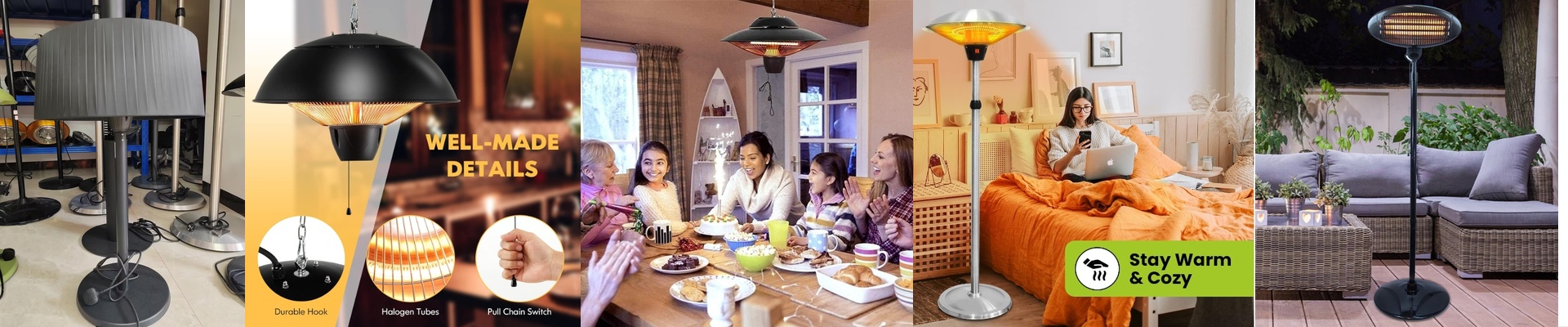

Stepping onto a cold bathroom floor in winter isn’t just uncomfortable—it’s a shock to the system. The air is damp, the tiles are frigid, and conventional heaters take too long to warm the space. A CE-certified low-light infrared heater changes that the moment you flip the switch. What we built, and why it matters We put a quartz infrared element in this unit because radiant heat beats warm air every time in a bathroom. It emits short-wave infrared warmth, not a blast of air. The payoff is direct heat that travels at the speed of light, warming people and surfaces first. It runs at 1500W on a standard 120V circuit and draws only what it needs. The low-light design keeps glare down without sacrificing output. The CE mark tells you it meets European safety requirements for electrical insulation, thermal protection, and reliability you can count on. Why this approach fits bathrooms Bathrooms are a tough environment: high humidity, tight quarters, and a need for heat right now. Infrared warmth hits the coldest surfaces—tile, mirror, your skin—so you feel heat the instant the lamp comes on. No waiting for a fan to spin up. No drafts. Just direct, even warmth that helps you step in, warm up, and step out faster. Because the heat is radiant, you don’t have to heat the whole room to feel comfortable, which can keep energy use reasonable during quick morning routines. The practical details you’ll want to get right This heater is designed for bathroom use, but it still needs clearance. Keep it at least 3 feet from water sources, and never expose it to direct water spray. Check the IP rating on the unit and match it to your bathroom layout. Aim it at the shower entry or the vanity area for the best effect. If your wiring is older, confirm the circuit can handle the continuous load. The low-light output is gentle, but it’s still bright enough that positioning matters for comfort.