When the rush hits, a wet plate or a damp glass isn’t just a nuisance—it slows the line, forces a rewash, and eats up time you don’t have. In a lot of kitchens, the tableware dryer is the quiet piece that keeps service from stalling, and its performance hinges on one part: the halogen bulb. If that bulb can’t throw off fast, even heat, you’re stuck with moisture on the ware, longer cycles, and extra labor just to keep plates and glasses moving. We built the 220V halogen bulb for tableware dryers to hit a straightforward target: dry fast, dry even, and keep doing it through peak service. It’s engineered for the reality of commercial use—quick warm-up, stable output, and a service life that survives the dinner rush, night after night.
What actually matters under the hood
A halogen bulb in a tableware dryer isn’t just a light—it’s a compact, high-intensity heating element. The core is a quartz envelope filled with halogen gas, which lets the filament run hotter and cleaner than a standard incandescent. That translates directly into faster heat-up and more consistent output over time.
- Voltage and compatibility: Rated for 220V, it matches the typical mains supply in commercial kitchens. That keeps current draw within the expected range for dryer circuits, so you don’t put unnecessary strain on the machine’s internal wiring.
- Fast response: Halogen elements hit operating temperature quickly. In practice, that means the dryer starts pulling surface moisture almost as soon as the cycle begins, not after a long ramp-up.
- Even heat across the chamber: The bulb’s geometry and filament layout spread heat more uniformly inside the drying chamber. Fewer cold spots means you don’t have to rotate racks or re-dry a portion of the load.
- Stable output as it ages: Halogen chemistry helps maintain consistent brightness and heat output over the life of the bulb. That matters because it prevents the gradual drop in drying performance that can sneak up on you over months.
- Built for heat and humidity: The quartz envelope handles high temperatures and the humid environment inside a tableware dryer. It resists thermal shock from repeated cycling—exactly what happens when you’re running back-to-back loads.
Why this matters where the work happens
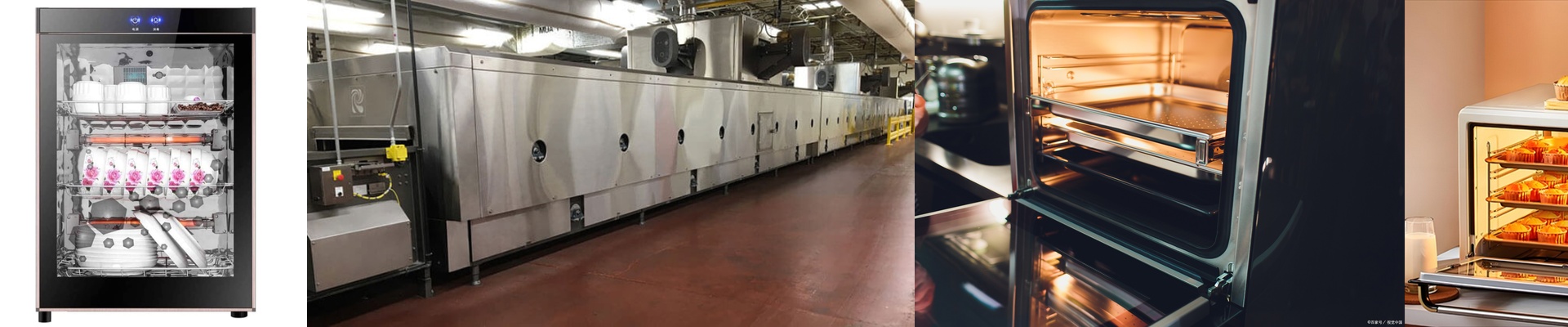
A tableware dryer sits right in the middle of the flow—between warewashing and service—and its job is to turn wet items into dry, ready-to-use ware, fast. If the heating is slow or uneven, the bottleneck grows. Glasses come out with beading on the outside. Plates carry a faint edge of moisture that makes sauces slide. Staff end up hand-polishing just to meet standards. The 220V halogen bulb helps you shrink that bottleneck. Because it heats quickly, the dryer can run shorter cycles without sacrificing dryness. That means more throughput during peak hours and fewer stretches where the machine sits waiting for one load to finish. Because the heat is even, you stop seeing inconsistent results—dry in one zone, damp in another—and you stop wasting labor fixing them. In a busy service, that consistency adds up. It cuts down on rewashing, reduces hand-finishing, and keeps the pass moving. It also helps with cost control: shorter cycles and stable performance can lower energy use per load, especially when the dryer is running continuously. This bulb fits naturally in stand-alone tableware dryers and in integrated drying zones within larger warewashing setups. It’s the kind of component you barely notice—until it performs. And when it performs, the rest of the station keeps pace.
The practical stuff you’ll want to keep straight
Halogen bulbs deliver fast heat, but they need a few basics handled the right way.
- Match the base and socket. Confirm the bulb base type matches the dryer socket before you install. A mismatch means poor contact, intermittent heating, and a shortened life.
- Handle with clean, dry hands or gloves. Skin oils leave residues on quartz that bake on during operation and create hot spots. If needed, wipe the bulb with a lint-free cloth and alcohol.
- Expect bright light. The bulb throws off intense visible light when it’s running. Keep shields and chamber doors in place, and avoid looking directly at the bulb.
- Keep airflow clear. The bulb runs hot, and that heat is part of the drying process. Make sure ventilation paths stay unobstructed so you don’t cook other components.
- Replace at the first sign of drift. If drying times start stretching or moisture remains on the ware, it’s time to swap the bulb. Many kitchens keep a spare on hand so downtime is measured in minutes, not hours. If you want a dryer that keeps up with service, start where the performance actually lives—inside the heating element. The 220V halogen bulb for tableware dryers is a straightforward upgrade that turns longer cycles into shorter ones, and uneven results into consistent ones. When the rush hits, that’s the difference between staying ahead and chasing behind.