


Winter air has a way of stealing comfort. Flip on a conventional convection heater, and you know the drill within minutes: skin tightens, throat dries, static snaps across the room. The heat is there, but the comfort isn’t. That’s why infrared warmth deserves a serious look—not as a gadget, but as a practical way to warm people and surfaces directly, without beating up the air’s moisture.
What actually matters, technically
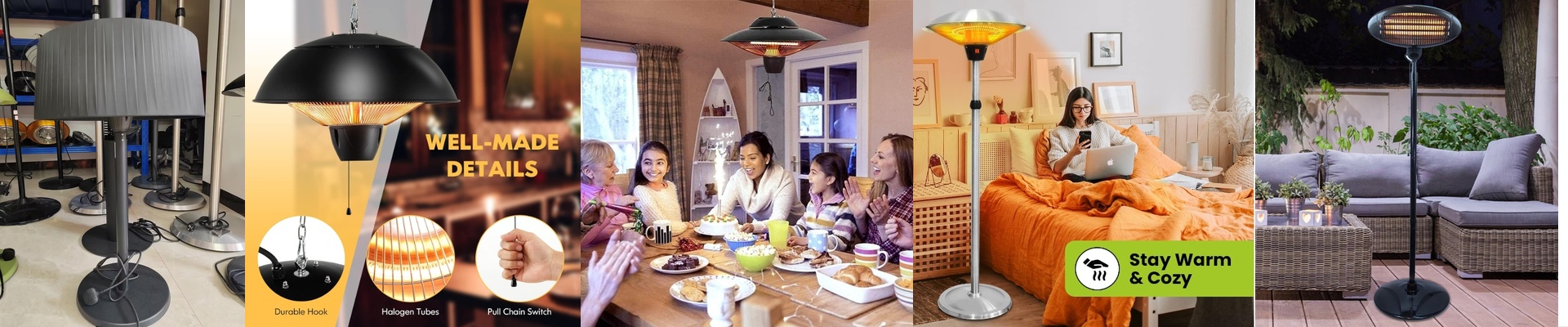
Infrared heaters deliver radiant heat, the same warmth you feel from sunlight or a wood stove. They don’t push air around with a fan. They send energy across the space, and it absorbs into solid objects—floors, furniture, walls, your body. Depending on the design, you’ll see quartz tubes, carbon fiber elements, or short-wave lamps doing the heavy lifting. In practice, that means you warm the chair you sit in and the table you lean on, not just the empty air above. The trick to avoiding that desert-dry feeling is wavelength and delivery. Infrared targets surfaces, so the air isn’t the main heat sink. Because the air stays cooler, water evaporates more slowly, and humidity stays closer to a comfortable range.
Why it clicks in real rooms
Indoor heating isn’t just about what the thermostat reads. It’s about how the room feels when you breathe, how your skin responds, and how long comfort sticks around. With infrared, you feel warmth almost instantly—no waiting for the air to turn over. And you sidestep the constant dryness that comes when a heater repeatedly heats and circulates air, pushing moisture out through vents and your skin. That matters in living rooms, bedrooms, and workshops where wood, textiles, and instruments prefer steadier conditions. It also helps when you want to trim energy use: infrared warms what you actually use, not what you waste.
What you need to know up front
Infrared heating is direct, so placement matters. You need a clear line of sight between the heater and the spot you want warm, and you’ll want the unit at a height and angle that fit the room’s layout. For whole-room comfort, pair an infrared heater with gentle air movement rather than relying on radiant alone. Also, infrared preserves humidity better than many systems, but any heating lowers relative humidity to some degree—if you’re in a very dry climate, a small humidifier can keep things balanced. Choose units with real-world safety features: stable bases, tip-over protection, and overheat safeguards. And if the heater will be near bathrooms or covered outdoor spots, check the IP rating. Used thoughtfully, infrared warmth gives you heat you can feel—without the harsh, stripped-out air that comes with other options.