
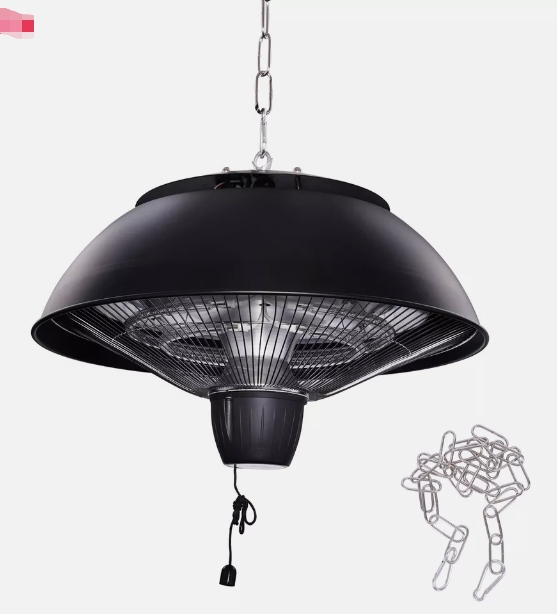
A Smarter Way to Deal with Bathroom Mold
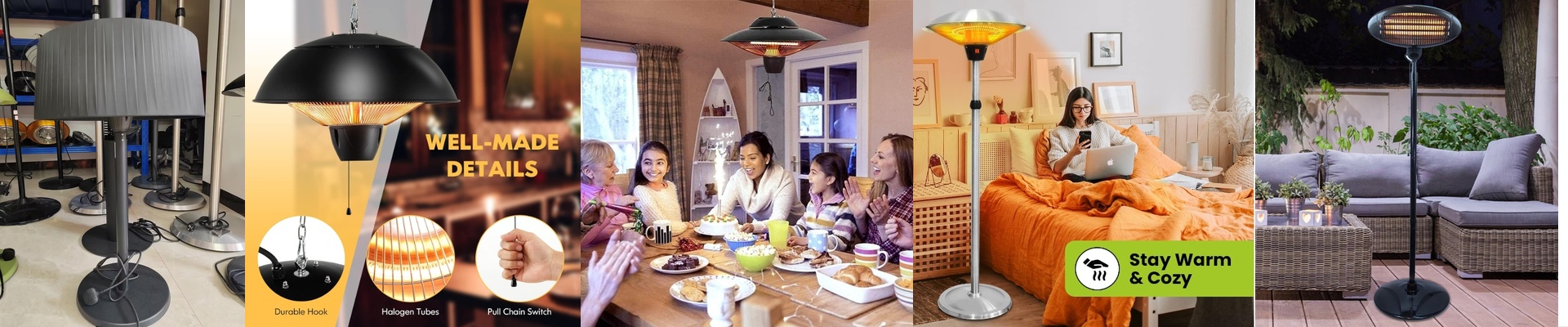
Most people see those infrared bathroom heaters and just think, “Great, I won’t freeze when I step out of the shower.” But there’s actually something much cooler happening under the hood. We didn’t just build these to keep you warm. We designed them to fight the one thing every homeowner hates: mold.
How it actually works
Think about a standard space heater. It warms up the air, and that’s about it. Infrared is different. It sends out waves of energy that go straight for the damp spots on your walls and ceilings. When those waves hit a wet surface, they turn into heat. This makes the water evaporate way faster than it would on its own. Here’s the thing: mold loves a cold, damp place to call home. By keeping your walls warm and dry, you’re basically taking away the mold’s food and housing. It just can’t survive.
Getting the balance right
We spent a lot of time tweaking the “recipe” of these lamps. We use a mix of short-wave and medium-wave infrared. Why? Because the short-wave stuff digs deep into the surfaces, while the medium-wave is a specialist at grabbing water molecules and pushing them out. It doesn’t just dry the air; it pulls the moisture right out of your grout and tile joints. But you can’t just throw the biggest heater you can find into a tiny room. If you go overboard with the wattage, you might overheat your fixtures. Too little, and the walls won’t get warm enough to stop the mold. It’s all about finding that sweet spot for your specific room size.
A few things to watch out for
Installing these is pretty straightforward, but you have to be smart about where they go. Since the heat is so direct, don’t mount them right next to plastic vents or cheap PVC trim. If you do, you’ll probably see those materials start to warp or melt over time. And definitely double-check your ceiling supports. You want to make sure whatever is holding the unit up can handle the heat without getting damaged. Just a bit of planning upfront saves you a massive headache later.