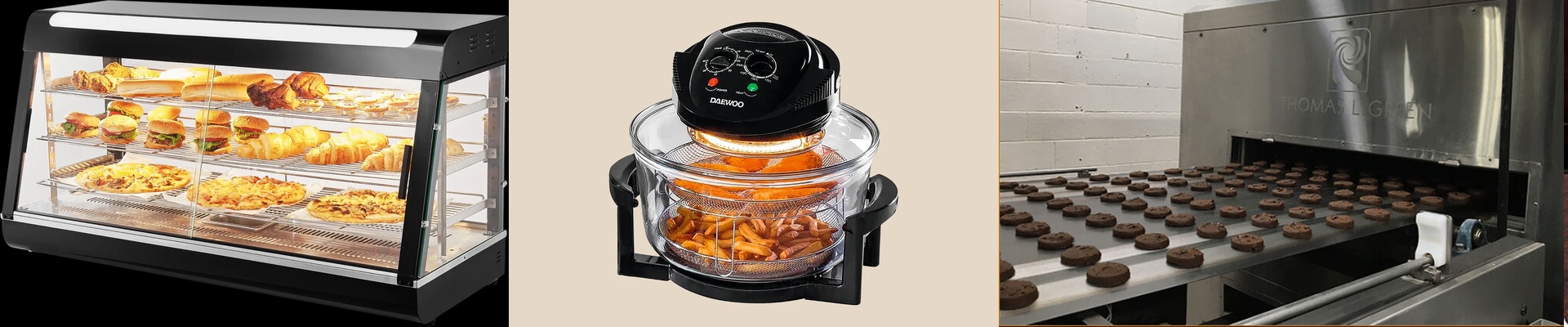
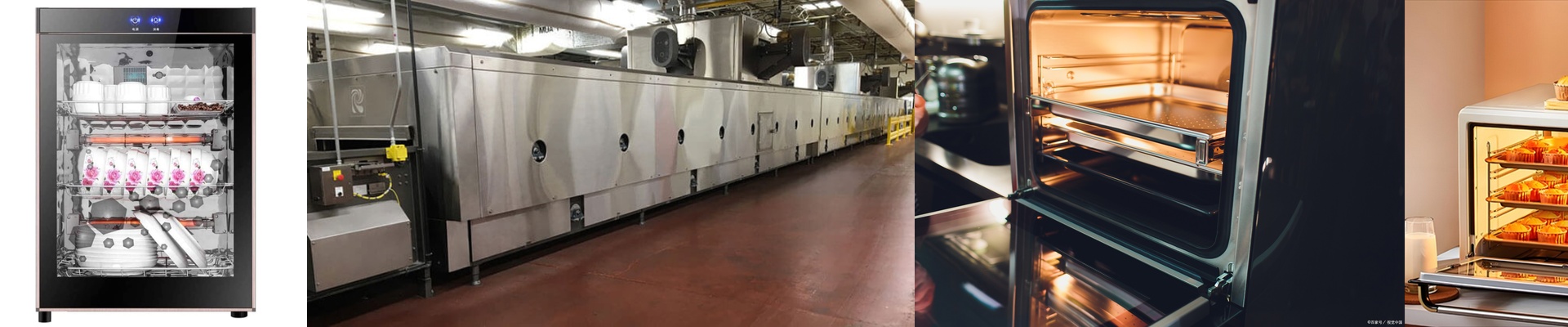
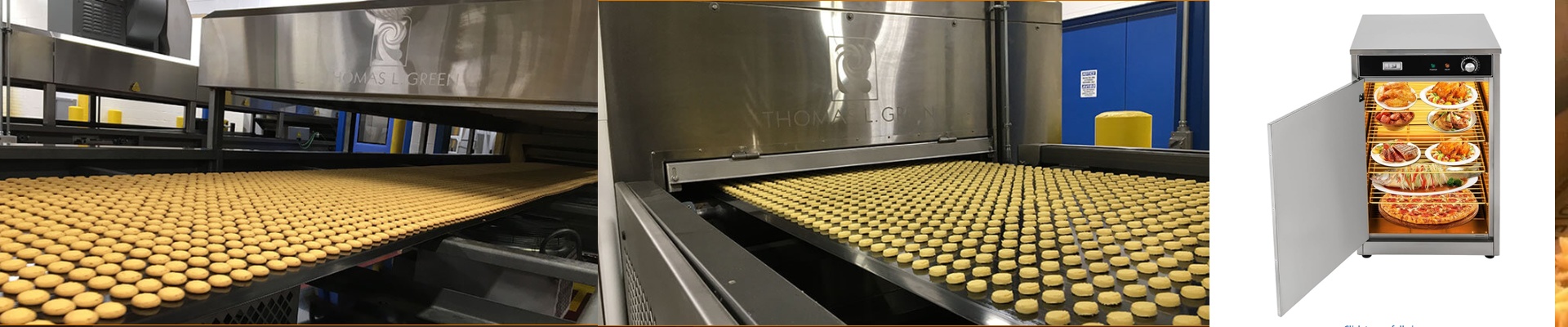
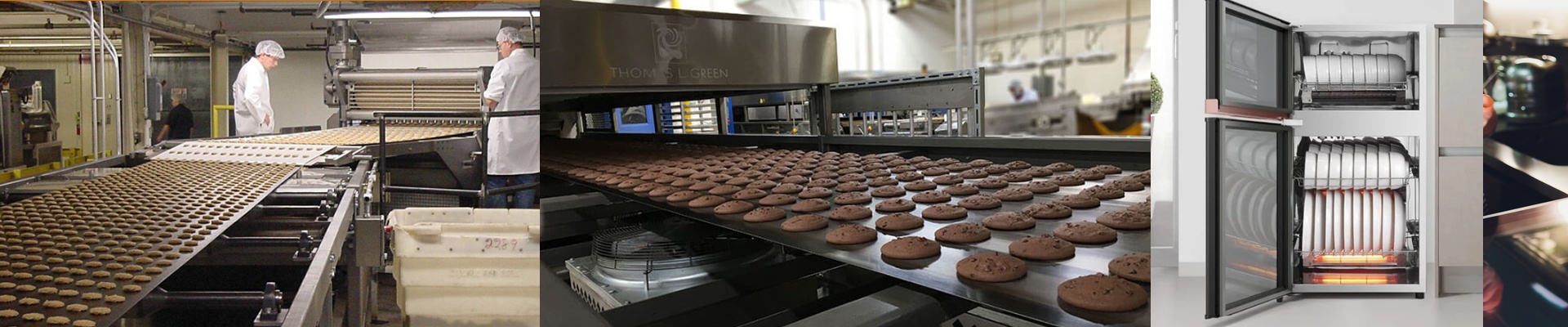
When the tickets pile up and the line won’t quit, the oven has to bring predictable heat—every single shift. Miss the mark and your crust fights for lift. Overshoot and the edges scorch before the center even sets. That’s where the linear clear quartz IR heater earns its keep, cutting the guesswork out of deck ovens, rotary ovens, and high-volume convection setups.
What matters, technically
A linear clear quartz IR heater delivers fast, directional radiant heat, and it gives you tight control over the baking chamber’s thermal profile. In practice, that means a quick warm-up and fast recovery after the door pops open—often hitting target temperature in minutes, not tens of minutes. The quartz tube holds steady at high temperature, putting out consistent infrared that hits the product surface directly instead of leaning on air alone. The payoff is more even heat across the stone or belt, which translates to consistent crust color and controlled caramelization. Temperature accuracy matters because, at the end of the day, food is chemistry. When the heat field is stable and repeatable, you see fewer hot spots and cold zones—fewer under-baked centers and fewer over-browned edges.
Why it plays well in a busy kitchen
Speed without control is just expensive chaos. These heaters shorten bake cycles by delivering immediate, even radiant energy, yet they still let you finesse the heat for more delicate items. On a pizza deck, the top heat sets quickly while the stone holds steady bottom heat. For bread and pastry, the radiant field promotes even rise and predictable color. You also tend to save energy because the oven spends less time idling at high air temperatures, and the heater responds fast when the load changes. Fewer temperature swings mean fewer trays that need rework and fewer giveaways.
The details that make the difference
Installation is straightforward, but clearance and mounting matter. The element has to sit where the oven’s load path expects it—above the belt or stone—without throwing a shadow on the product. Keep it clean and dry. Quartz performs best when grease and moisture can’t work their way in, and routine cleaning keeps hot spots from forming. Also, make sure your oven’s control strategy can keep pace. The heater’s fast response is a real advantage, but only if the thermostat or controller can match it when demand shifts quickly.