
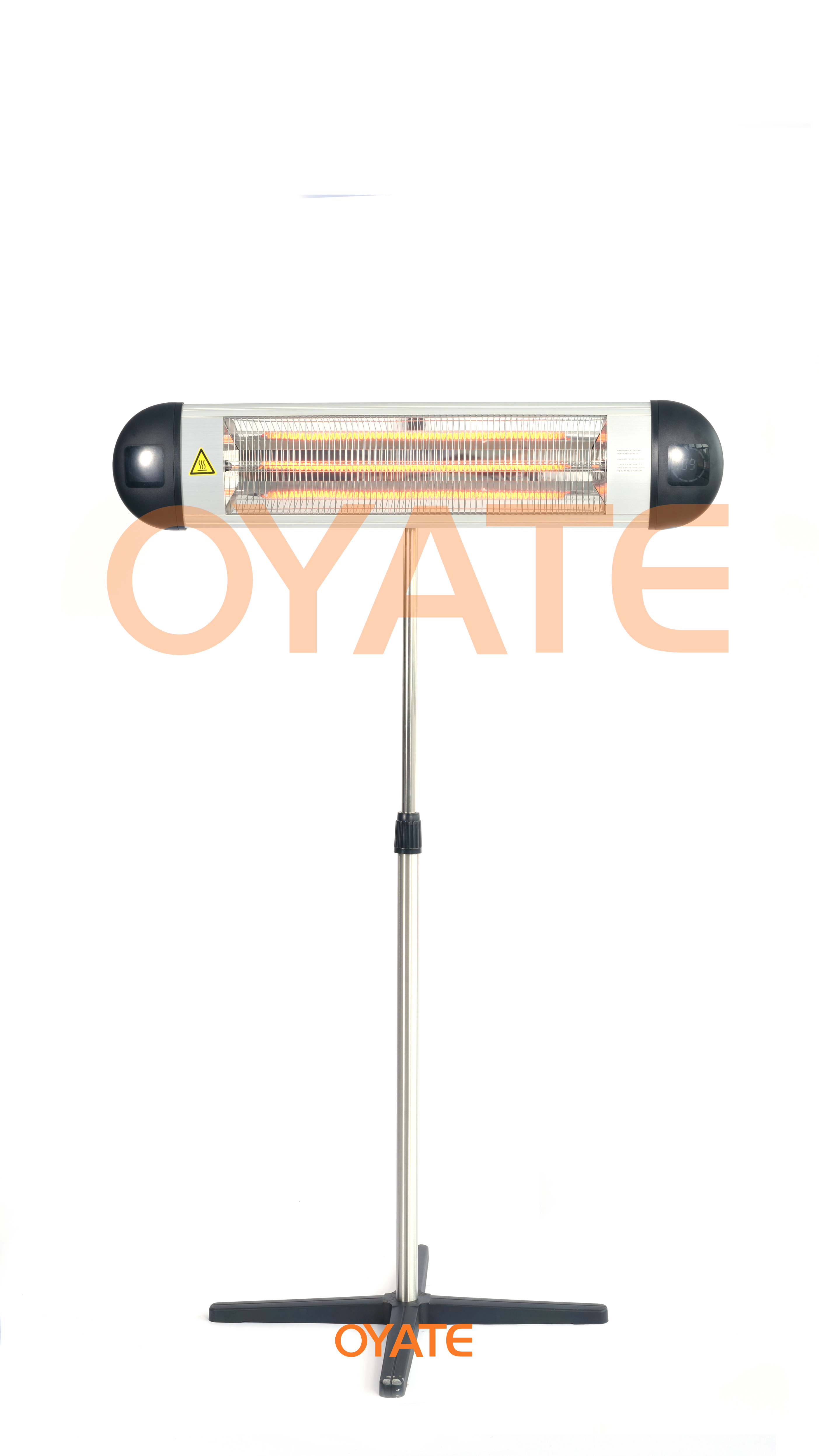
In a spa or salon, the vibe is everything. That first step inside should feel like stepping into a quiet bubble. Cold air — even for a few seconds while someone changes into a robe — snaps the spell. Forced-air systems are loud, and the blast they throw feels drying and impersonal. We built our industrial electric heaters to keep that calm, warm sanctuary intact, without the noise and drafts.
What matters under the hood
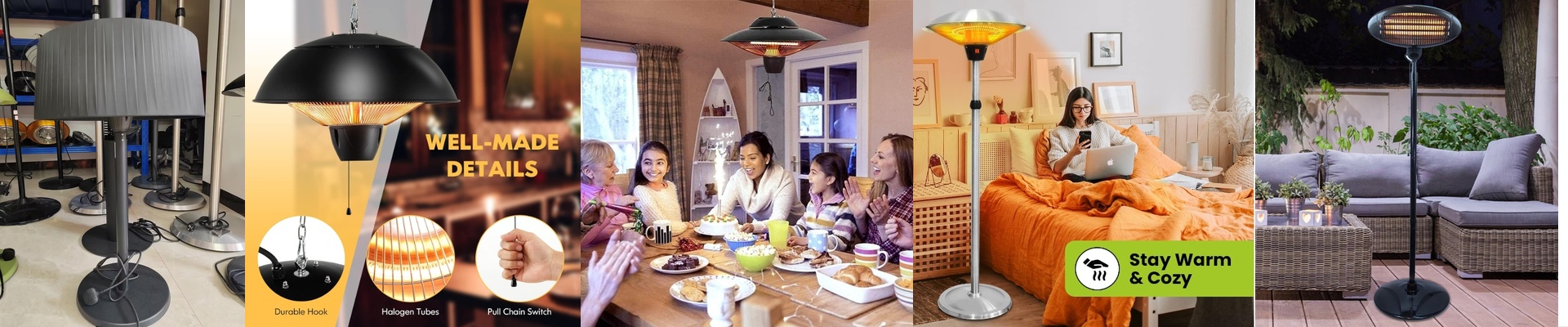
Our commercial infrared heaters run on a quartz tube element that delivers short-wave radiant heat. The heat moves outward at the speed of light, warming people and surfaces directly instead of the air. The payoff is immediate comfort, the kind you get standing in a patch of sun. We spec everything around day-to-day reliability: 240V circuits for stable power, housings that fit tight spots, and plug-and-heat simplicity that doesn’t need a complicated setup. On the safety side, you get tip-over protection and a solid guard to shield the element.
Why this fits a salon or spa
In this setting, warmth isn’t just a perk — it’s part of the treatment. Infrared warmth helps muscles relax and encourages that calm, grounded feeling that lets clients breathe easier and settle in. It keeps the room comfortably warm during massage, body wraps, and facials without stirring up drafts that mess with products or linens. Because the heat is directional, you can put units where the action is — near treatment tables, waiting areas, and robe stations — and keep comfort even without cranking the whole room. Energy stays focused where you need it, which helps keep operating costs in line.
What to keep in mind
Infrared shines when you aim it at people, not empty corners. For the cleanest install, hardwiring is usually the neatest route, though plug models work fine on dedicated circuits. Give the unit clearance from curtains and towels, and stick to the spacing guidance so you don’t overheat nearby surfaces. In humid spaces, pick a heater rated for the conditions and keep electrical connections dry. This is immediate, soothing heat, but it won’t warm a chilly hallway the way a convection heater does. Plan the layout around the client journey, and the warmth will feel like it’s just doing its job — quietly, reliably.