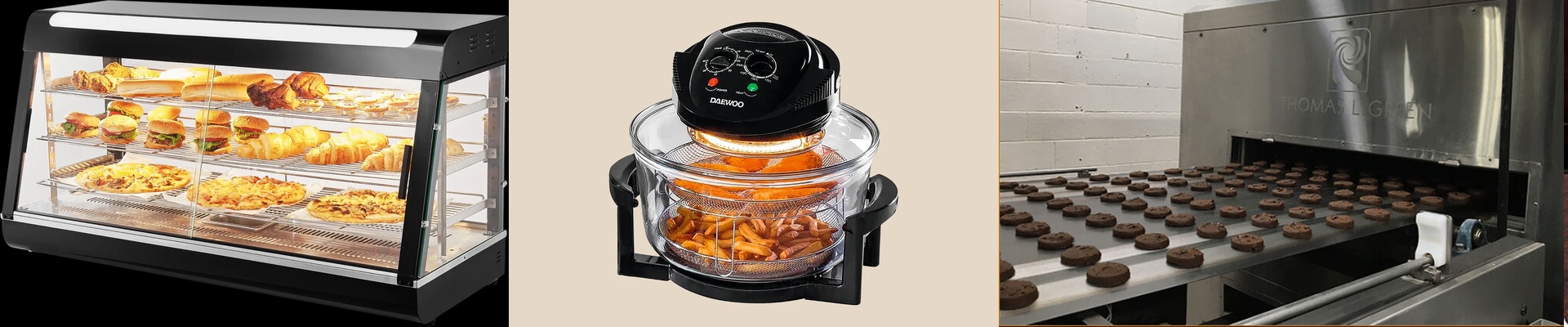
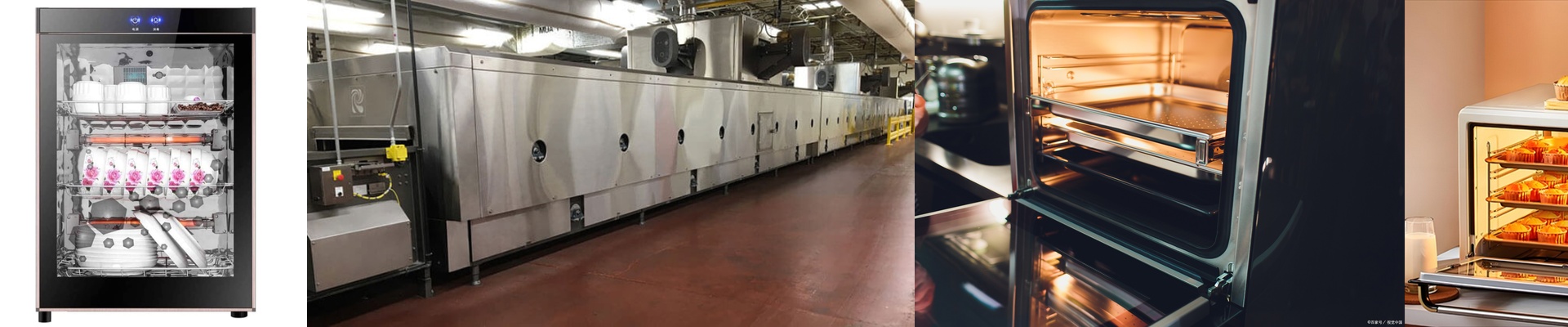
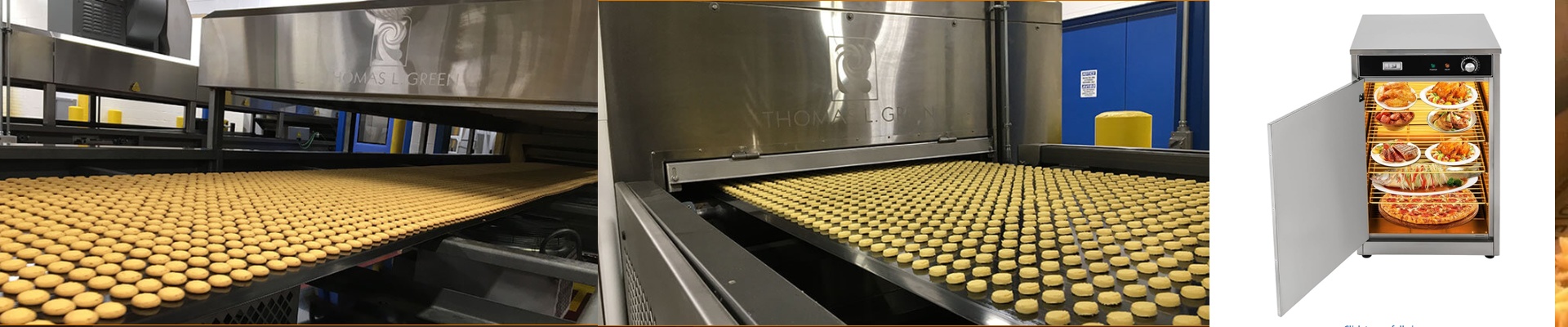
When the oven can’t hold temp, the whole line stumbles. Dough proofs uneven, and that crust goes soft instead of crisp. In a busy shop, that’s product in the trash and minutes you can’t get back. We spec our nichrome heating elements to keep deck ovens, rotary ovens, and convection units holding the temp the recipe calls for—minute after minute. What matters under the hood Nichrome gives you stable resistance heating with predictable output, so the thermostat sees a steady, repeatable response. We match the wire gauge and pitch to the oven’s power draw, whether it’s 240V or 480V, and we match element length and terminal style to the common mounting patterns. The payoff is even heat across the baking chamber—no hot spots near the element and cold zones elsewhere. You get fast recovery after the door opens and consistent temperature through long bake cycles. Why it plays where it counts In a deck oven, that even heat keeps the stone hearth steady, so you get consistent caramelization and lift. In a rotary oven, the air temperature stays uniform, so every tray comes out the same. With convection, the element keeps up with the airflow without cycling hard, which helps you control moisture loss and texture. Preheat times are shorter. Underbaked centers show up less. And fewer batches get scrapped. Energy use per bake drops because the element heats efficiently and holds setpoint without overshoot. The field notes Install is straightforward, but the element has to match the oven’s voltage and terminal configuration. High heat and cleaning cycles push oxidation, so we rate these for commercial duty—still, they have a finite service life. Keep the element clear of direct contact with baking surfaces, and skip harsh chemical cleaning that accelerates corrosion. When it’s matched right, it runs quietly, cleans up easy, and keeps the oven doing its job: turning steady heat into steady food.