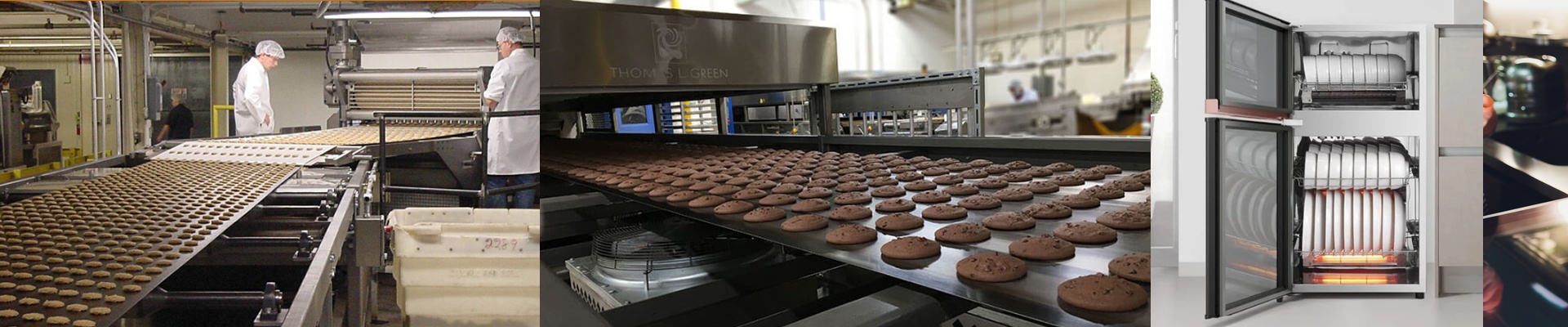
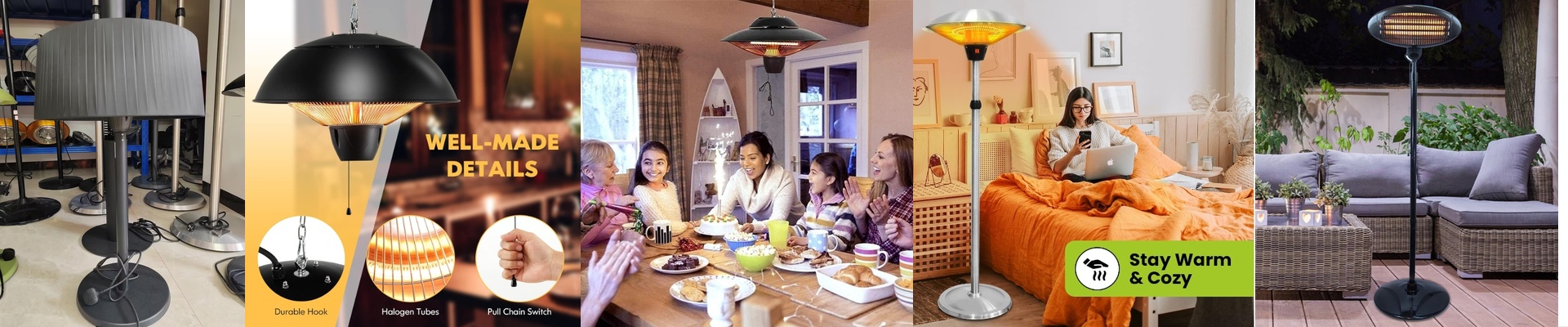
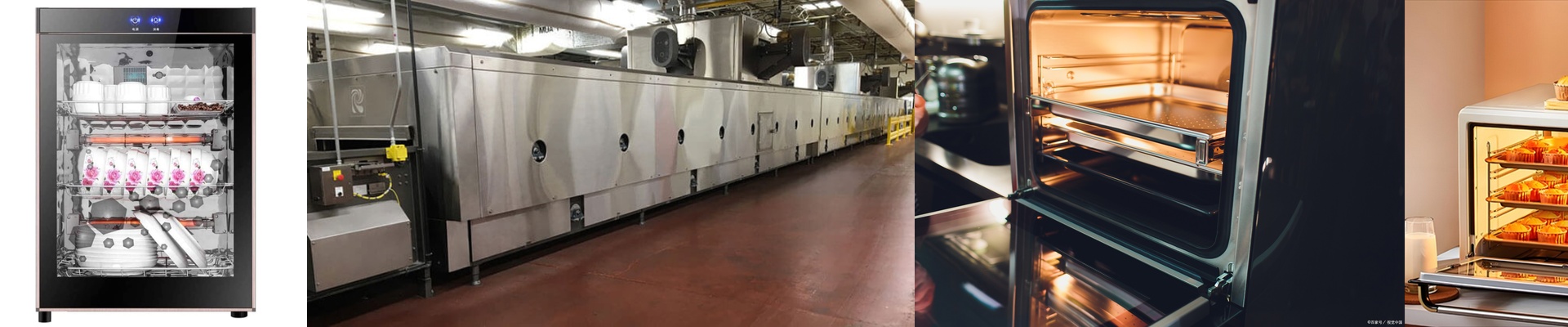
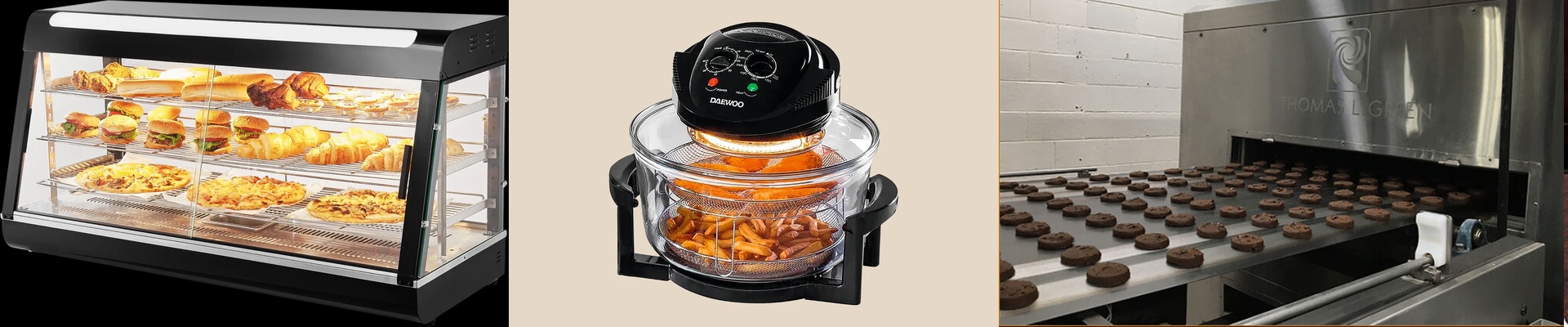
When the dinner rush hits, your oven doesn’t negotiate. It either throws down steady, even heat—or you spend service chasing hot spots, uneven bakes, and a line that stalls. In a busy kitchen, the heating element isn’t background noise. It’s the heartbeat of output.
What matters under the hood
The twin tube nichrome heating bulb is built around a dual-conductor nichrome wire design, running through two high-temperature tubes. That geometry creates a more balanced radiant field inside the baking chamber, so heat lands across the product—not just pinned on one spot. The nichrome alloy gives you predictable resistance stability, so the element holds set temperature without swinging all over the place. You get fast warm-up, repeatable recovery after door openings, and consistent performance across deck ovens, rotary ovens, and convection units that lean on direct radiant input.
What this means on the line
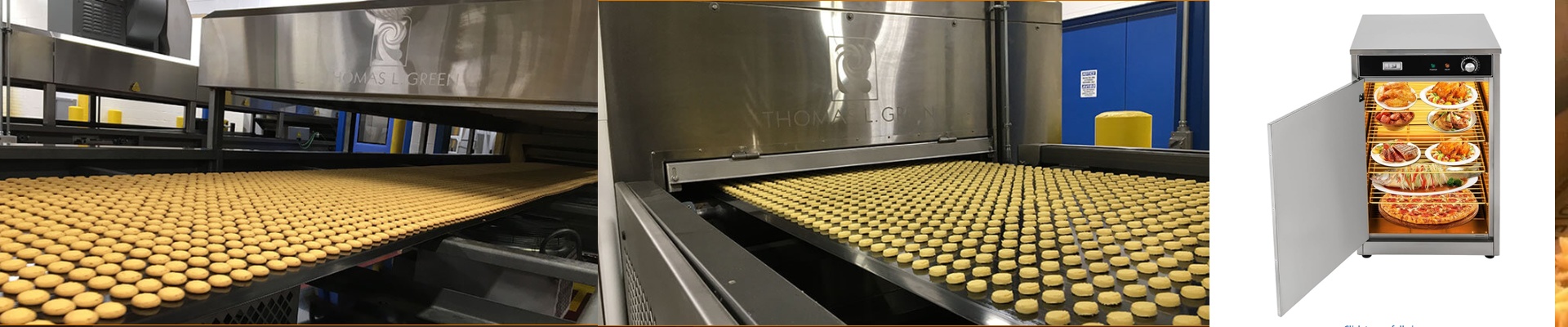
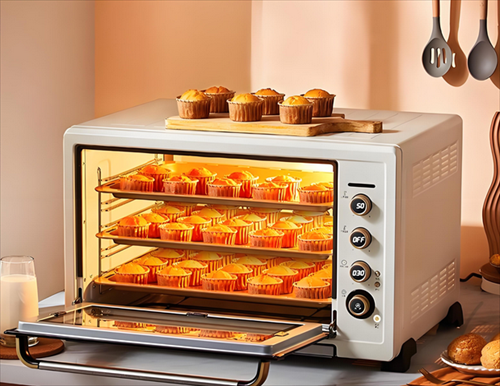
In a real kitchen, the payoff shows up in the product. Bread rises clean on the stone hearth, then sets with a crust that’s crisp outside and tender inside. Pizzas come out with evenly blistered tops and a base that isn’t scorched on one corner and pale on the other. Shelf after shelf lands with consistent color, because the bulb spreads heat evenly—less need to rotate trays mid-cycle. Faster recovery means shorter bake windows, fewer passes, and a calmer line.
The practical details
Installation is straightforward, but the bulb has to match the oven’s voltage, watt density, and mounting clearance. Treat the ceramic insulators and terminal connections with care—one crack, and heat escapes where it shouldn’t. Schedule replacement during a lull, and keep a spare on hand. That way downtime stays measured in minutes, not service calls.