
We wanted a straightforward answer: how do we make heat feel easy, responsible, and actually restorative? In today’s homes, heating isn’t just about nudging the thermometer. It’s about steady, controllable warmth that respects comfort and energy use. That’s exactly where the 3-phase electric heater earns its keep.
What actually matters under the hood
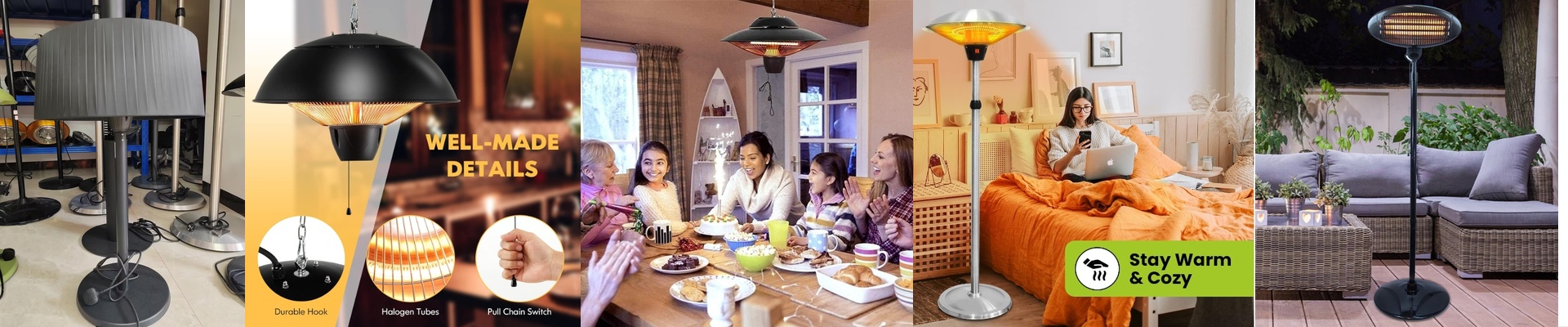
A 3-phase electric heater runs on balanced three-phase power, typically 380–415V, spreading the electrical load across three conductors instead of one. The payoff is stable current, lower peak demand on any single leg, and more consistent heat output. Inside, you’ll find a solid radiant element—often carbon fiber or quartz-based—delivering infrared warmth that heats people and objects directly, not just the air. Most models pair this with a precise thermostat and safety features like tip-over protection, plus an IP rating that makes them suitable for covered outdoor areas.
Why this approach fits the way we live now
Efficiency and comfort can sit in the same chair. The heater comes up to usable warmth quickly, so you spend less time waiting and less energy idling. Because the heat is radiant, you feel cozy sooner, even when the air is cool—perfect for patios, sunrooms, workshops, and open-plan living spaces. In practice, that means fewer temperature swings, quieter operation, and a heating feel that’s more natural than forced air.
The practical stuff you need to get right
A 3-phase electric heater needs a dedicated three-phase electrical circuit and professional installation. Compatibility depends on your home’s service and the space available for the line, so planning up front matters. Once the circuit is in place, you get clean, controllable warmth that holds up—even under demanding, extended use—without the noise and draft of traditional forced-air systems.