Getting the Heat Right in Husky HyPET Systems
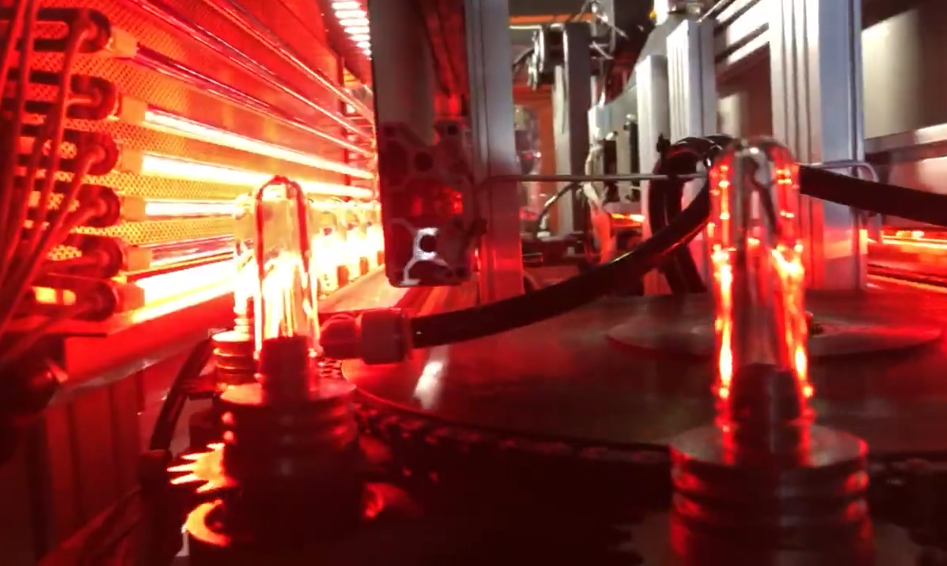
If you’re running high-speed PET lines, you know the drill. The heating phase is almost always where things get messy. When the IR radiation doesn’t hit the preform wall evenly, you end up with those annoying thin spots or that cloudy, pearlescent look in your bottles. It’s frustrating. That’s why we built our 400V compatible IR radiators. We wanted a way to actually get the heat into the plastic, specifically for those Husky HyPET and Krones-style setups. The deal with 400V Most lamps stay at lower voltages. We went with 400V because it lets us cram more wattage into a tiny space. Think of it as a sharper punch. You get a thermal spike that digs deeper into the PET resin, hitting your target temperature way faster. But here’s the catch: that kind of heat puts a lot of pressure on your reflectors. If they’re dirty, you’re just wasting that extra power. Keep them spotless. Quartz and the fit We used heavy-wall quartz glass for a reason. When things get this hot, tubes tend to bow. This glass doesn’t. The filaments are tuned for shortwave IR. It’s the only real way to heat the center of a thick-walled preform without scorching the outside. And the best part? They’re just drop-in replacements. They use the same industrial connectors as the OEM parts, so you just plug them in and go. No hacking away at your oven housing. How it works in the real world These are built for the grind of a HyPET system. When you can actually penetrate the material, you can usually shave a few seconds off your cycle or bump up your bottles per minute. It makes the whole line feel smoother. Just a heads-up: these lamps run hot. Really hot. If your cooling blowers are clogged or just too weak, you’re going to burn out your filaments early. Keep your airflow clear, and the lamps will take care of themselves.