Getting the Heat Right in Your Husky HyPET System
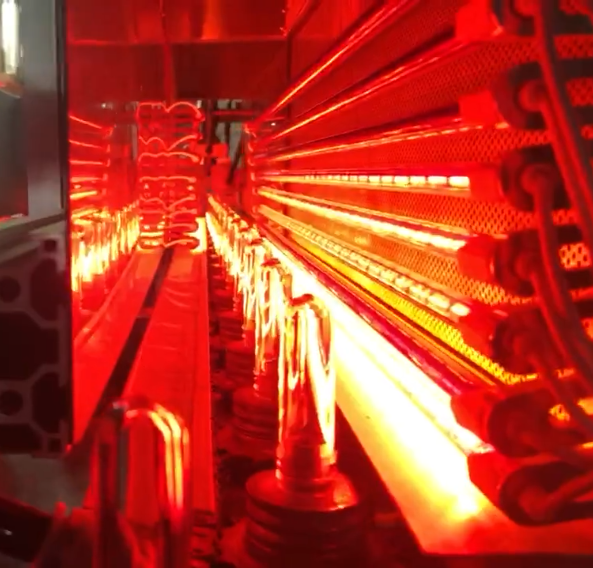
If you’ve spent any time on a high-speed PET line, you know the struggle. You’re chasing that perfect wall thickness, but the heat just isn’t behaving. The real headache isn’t just cranking up the temperature—it’s getting that heat to actually sink into the thickest parts of the preform without roasting the outside to a crisp. That’s exactly why we built our replacement lamps. We wanted to fix that penetration gap. The trick to deep heating Most standard lamps just blast the surface. It’s too much energy in the wrong place. We tweaked the spectral output so the infrared radiation actually reaches the inner core of the PET. This kills off those annoying cold spots in the base and neck. Plus, we balanced the wattage and voltage to keep the heat density high. Why? Because when you’re running a high-speed line, you don’t have time to wait around. Built for the shop floor These aren’t delicate lab pieces. They’re made for the grit of a real factory. We use high-purity quartz glass because it can handle the brutal thermal cycling without burning out early. And we kept the installation dead simple. Whether you need R7s or SK15 connectors, these are drop-in replacements. You just pop them in. No rewiring, no headaches. We also spent a lot of time on the filament geometry. It ensures the radiation is steady across the whole tube. No more “striping” on your bottles, which is a common nightmare with the cheap, low-grade stuff. One thing to keep in mind You’re going to get faster heat-up times and much better plasticity. It feels great when the machine finally hums. But here’s the catch: more heat density means your oven’s airflow has to be on point. If your fans are dying or your vents are clogged with dust, all that extra energy can actually overheat your oven chassis. Just keep your cooling cycles tight. Your lamps will last longer, and your machine will stay happy.