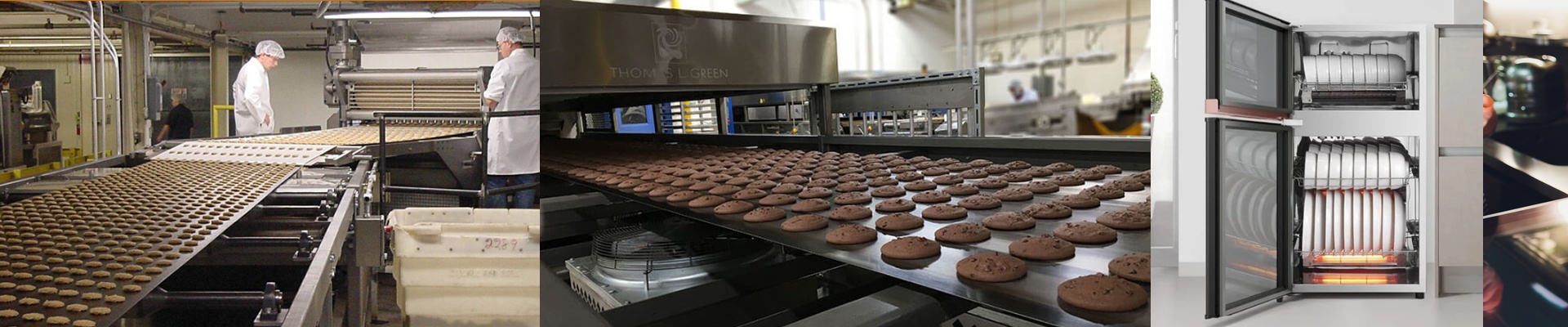
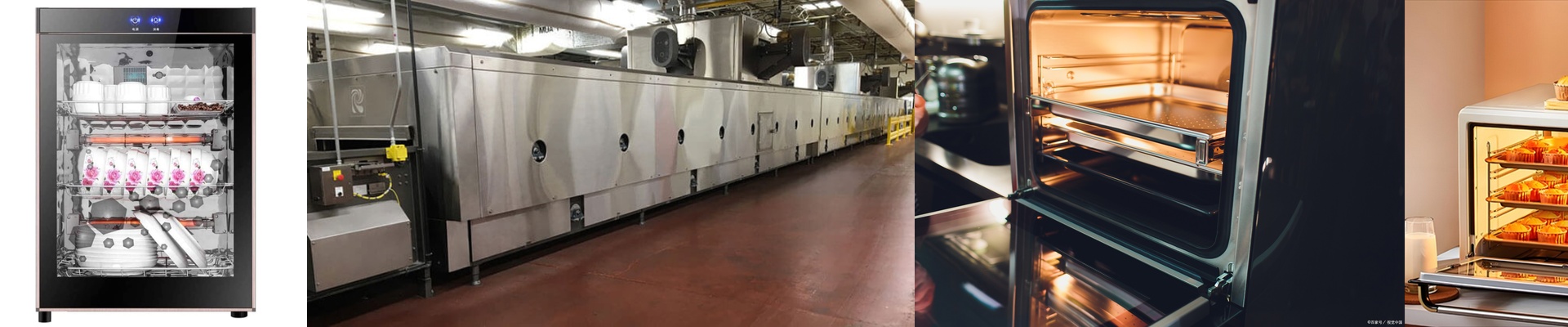
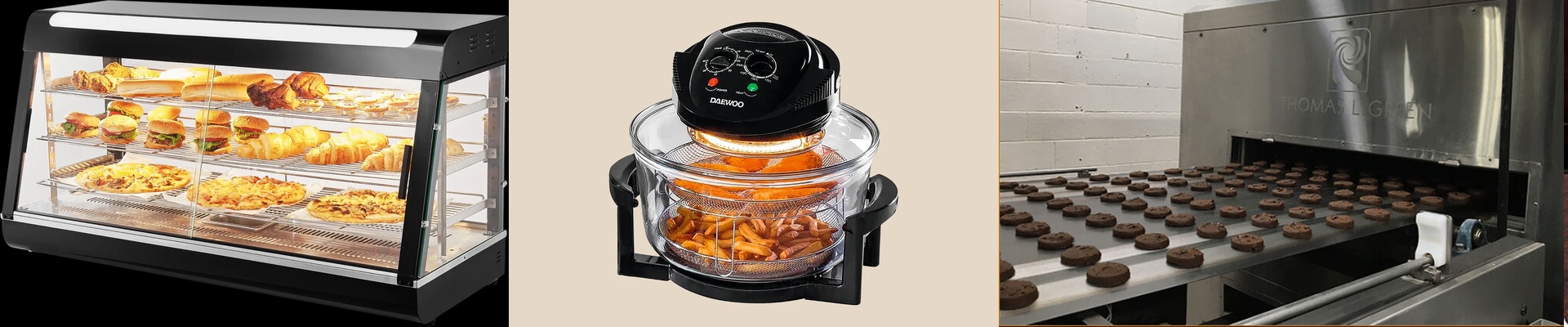
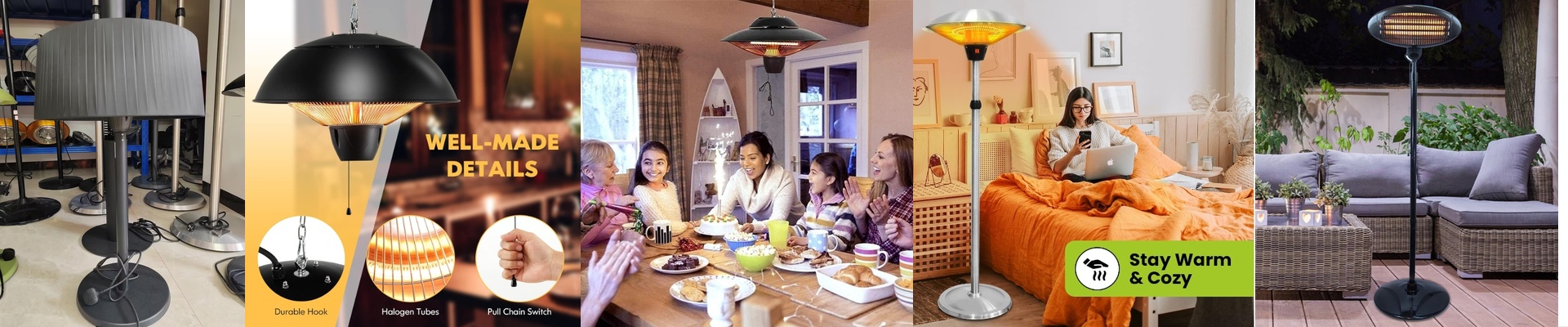
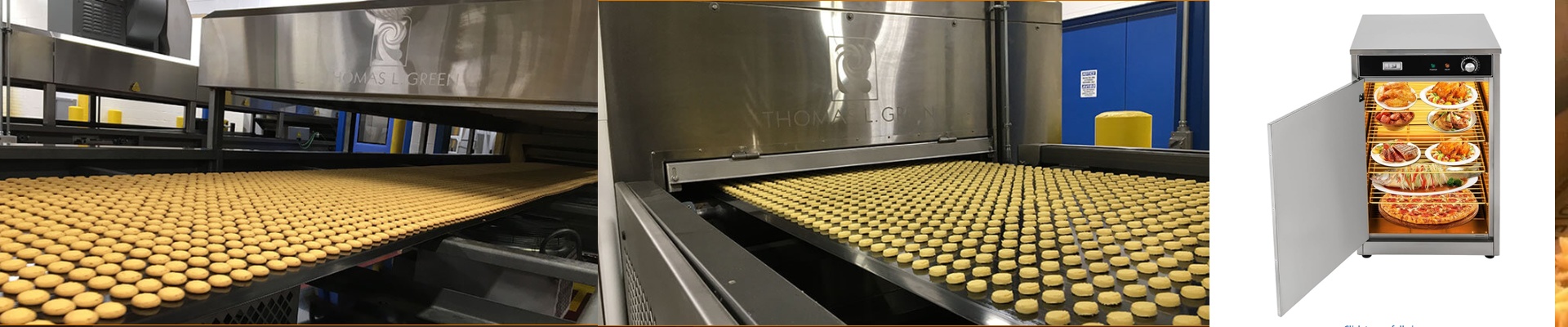
When the rush hits, your warming station has to hold food at safe, consistent temps—no drying out, no chasing the thermostat. Old heaters that take forever to come up, or that drift in output, push you into overcooking, re-tempering, and wasted energy. Swapping in a direct-replacement ceramic heater with infrared output changes how the hot line behaves.
What matters under the hood
Infrared ceramic heaters respond fast because the filament and ceramic mass get up to operating temperature quickly, then radiate heat straight into the pan and the air. That means immediate recovery after the door pops open, and steady holding even when you load in cold product. In real terms, you get tighter temperature bands and fewer alarms. We build these elements for 240V or 208V service, with solid terminal blocks and a standard mounting footprint that lines up with common warming cabinets. The ceramic body stands up to thermal shock and shrugs off grease spatter, while the emitting surface spreads heat evenly across the baking chamber or holding well.
Why this works in a busy kitchen
In a busy kitchen, you need speed and repeatability. Infrared heat hits the product fast, so you spend less time waiting and more time plating. You get even coverage across the pans, which helps keep proteins moist and starches supple instead of scorching the edges. Energy use drops because the heater isn’t wasting time heating empty air—it targets the load. Add in the long service life of ceramic, and you’re cutting down on unplanned maintenance right in the middle of service.
The details that make the difference
Installation is straightforward, but match voltage, wattage, and mounting dimensions to your unit. Check clearances to pans and shelving, then run a calibrated thermometer check after swapping elements. Infrared output is strong, so fine-tune your thermostat setting to avoid overshoot. Plan replacements during a slow window—once the element is in, the station holds the way it should.