

Voltage swings aren’t just a nuisance that flickers lights. They quietly chew up infrared heaters. In homes and workshops with older wiring, a sudden surge can cook the elements. A dip forces the heater to strain just to hold temperature. The payoff is uneven warmth, more service calls, and a heater that gives up long before it should.
What matters under the hood
We build our infrared electric heaters around a voltage-compensation circuit that tracks line fluctuations and adjusts power in real time. It keeps the carbon fiber or quartz emitter inside its safe operating window, so output stays steady even when the grid isn’t. Add a thermostat and tip-over protection, and you get consistent radiant heat without wild cycling or overloading the circuit.
Why this matters where you need it
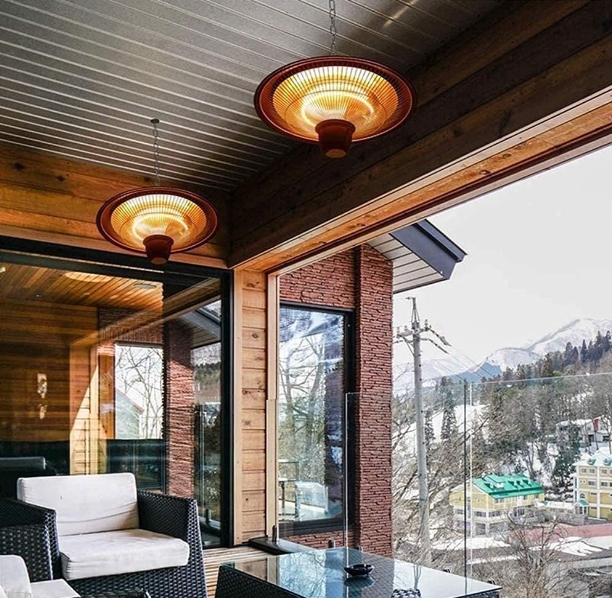
In places where voltage stability is a gamble — outdoor patios, drafty workshops, rooms with long circuit runs — this approach protects comfort and lifespan. You feel steady infrared warmth the moment the unit fires up, with fewer cold spots and less thermal stress on the parts. Over time, that means fewer replacements, quieter operation, and a heater you can set and not worry about.
A few practical notes
The compensation circuit adds a bit of overhead, so these heaters need a dedicated outlet and a solid ground connection. They perform best on a properly rated circuit; on very long or undersized wiring, the line itself still sets the ceiling.Plan the circuit first, then match the heater size to it.