
Why We Use Gold-Coated Bulbs for the Perfect Crust
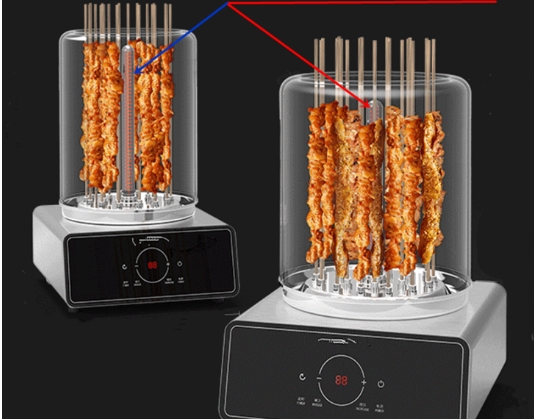
If you’ve ever struggled to get that perfect, golden-brown crust on bread in a rotary oven, you know it’s not just about cranking up the heat. If you just blast the oven, you end up with a burnt shell and a raw center. That’s why we use gold-coated infrared lamps. They aren’t your typical heaters. They’re designed to hit the surface of the dough instantly—almost like a flash—so the outside browns beautifully while the inside stays exactly where it needs to be. The secret is in the gold. Standard quartz tubes throw heat in every direction. But when we add that gold coating, it acts like a mirror, bouncing the longer waves back into the filament. This forces the lamp to push out concentrated, short-wave IR. It hits the dough fast. It triggers the Maillard reaction—that’s the magic chemistry that gives you the color and smell of fresh bread—without needing to soak the whole oven in high heat for ages. Timing is everything. In a rotary oven, your bread is always moving. You only have a tiny window of time to get the heat right. We use high-wattage lamps that ramp up in seconds. Because they react so quickly, your PLC can tweak the power on the fly to match how fast the oven is spinning. If you’re running a high-capacity line, this is the only way to make sure you don’t end up with weird “pale patches” or scorched spots on your loaves. A few things to keep in mind. These lamps are industrial workhorses, but they can be finicky. The gold coating creates a lot of internal pressure inside the tube. If your wiring is loose or your voltage is jumping around, you’re going to burn through filaments much faster than you’d like. Keep your sockets clean and your power supply steady. Also, keep an eye on your vents. These bulbs put out a massive amount of heat density very quickly. If your ventilation isn’t up to the task, those heat spikes can actually warp the oven chassis over time. It’s a powerful tool, but it works best when you treat it right.