Why Precision Demands Low Thermal Inertia
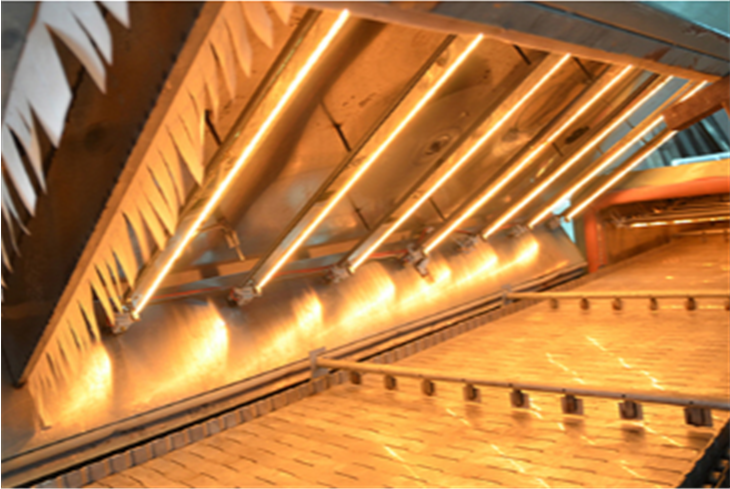
Bread ovens need auxiliary heating that reacts immediately. Standard elements are too slow. We use low thermal inertia halogen infrared tubes because they hit the target temperature in seconds, not minutes. The core requirement is simple: match the dough surface temperature instantly, without overshoot. A typical unit is rated 400V, 2500W, in a 300mm length. This power density gives you high heat output in a small footprint, so you can add heat right where the process needs it. The 400V rating is chosen to reduce current for a given wattage, which keeps wiring runs cleaner and cuts voltage drop across connections. But that also means your control gear and supply must be spec’d accordingly—don’t wire it up to a line that can’t hold the load.
Halogen Design: Fast, Tough, and Stable
These tubes are shortwave infrared halogen elements, built around a quartz envelope. The halogen cycle keeps the filament stable, resisting blackening and maintaining consistent output over long runs. The quartz body handles rapid thermal cycling without cracking, which matters when the oven cycles on and off frequently. The connector is R7s. It is a compact, two-ended ceramic terminal that gives you solid contact and easy replacement. You slide the tube in, lock the ends, and you’re done. This is a direct, drop-in fit for most oven retrofits.
Application and Real-World Performance
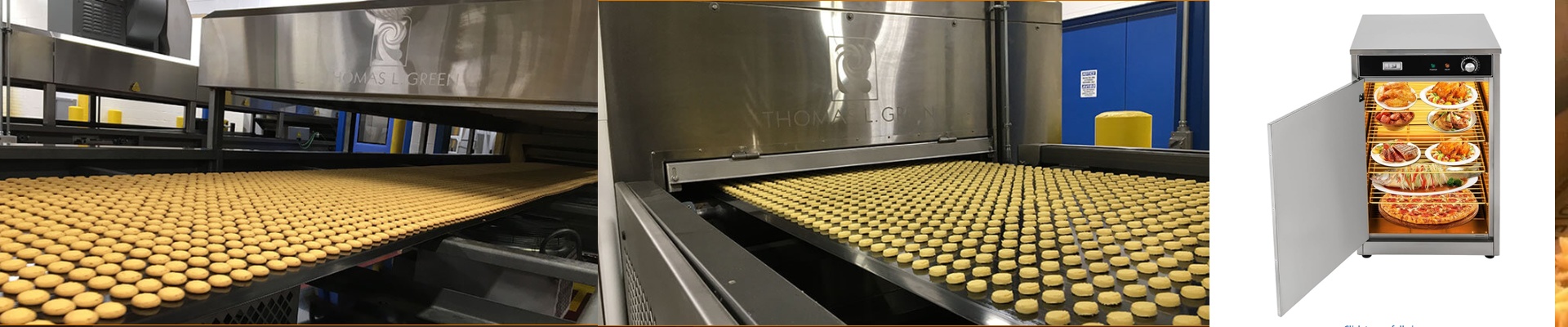
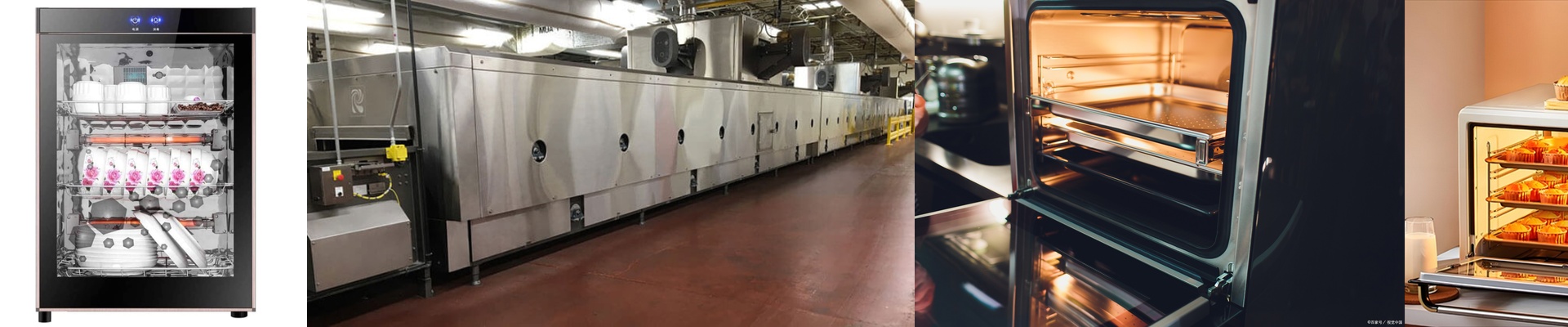
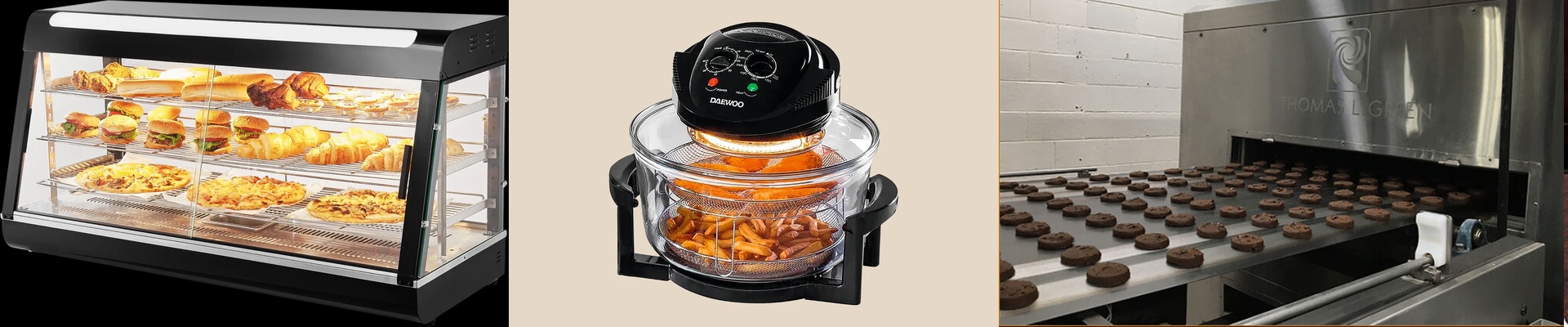
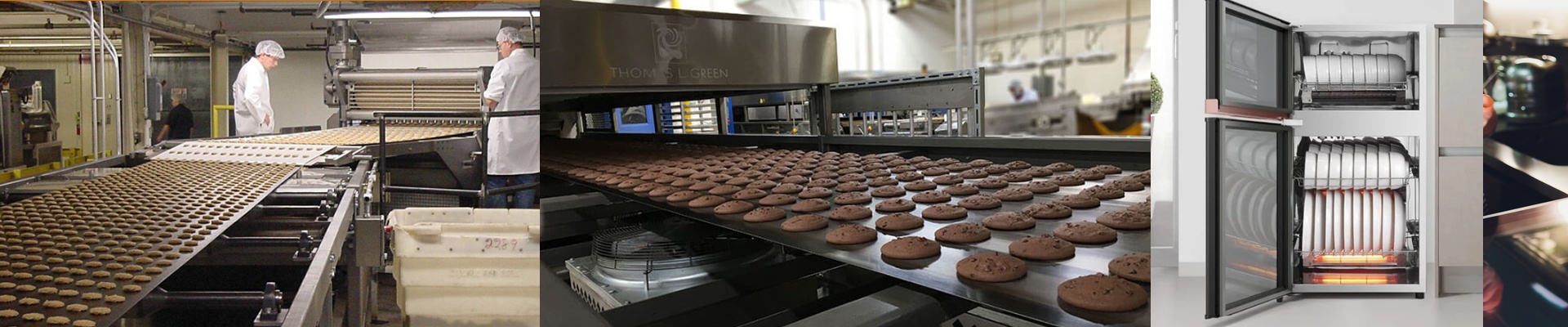
In bread ovens, auxiliary heating is often used for top-brown control and zone trimming. With a response time measured in seconds, you can hold setpoint within tight limits, avoiding crust burn and dry spots. The result is repeatable color and texture, run after run. This configuration delivers high heat density, so you get strong, localized heating without heating the whole chamber. That improves energy use and reduces thermal stress on the oven structure. Trade-off: high wattage in a short tube means the surrounding components see more radiant heat. Make sure your mounting brackets, wiring, and sensors are rated for the temperature, or shield them properly. If you can manage that, this element gives you the control you need, right when you need it.