
Don’t Melt Your Ceiling: A Guide to Infrared Heater Clearance
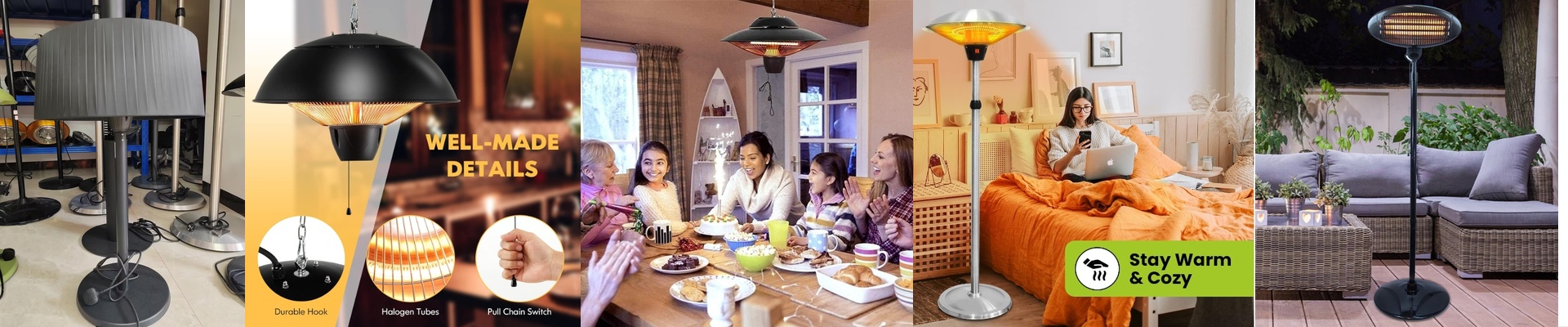
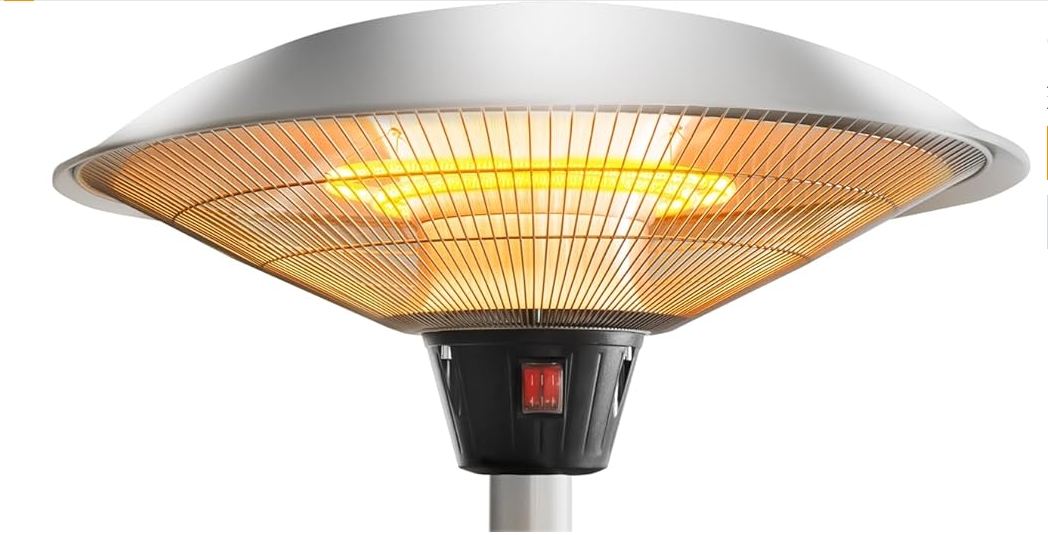
If you’re putting infrared heaters in a tight spot—think changing rooms or those tiny lounge areas—you have to be careful about where they sit. Here is the thing: infrared doesn’t work like a normal space heater. It doesn’t just warm up the air. It sends out energy that hits whatever is in its path and heats it up instantly. If you mount these things too close to the ceiling, you’re basically creating a heat trap. Not exactly a great look for your building materials. The Gap Matters Radiant heat moves in straight lines. Simple as that. So, if the heater is hugging the ceiling, the ceiling takes the brunt of that energy. I usually suggest leaving at least 0.5 to 1.0 meters of space, but that depends on how powerful your unit is. If you’re using high-output shortwave lamps, you can’t cut corners here. Shortwave heat hits hard and fast. If you’re dealing with PVC or cheap drywall, you’ll see warping or nasty discoloration pretty quickly if there isn’t enough breathing room. The “Heat Soak” Problem It’s not just about the ceiling, though. Some of that heat bounces back or drifts upward. When you cram a heater into a tiny ceiling void, the unit can actually start “soaking” in its own heat. This is bad news for the electronics. You’ll notice the heater clicking on and off every few seconds because the internal thermostat is panicking from the heat buildup. It’s a fast track to a broken machine. Finding the Balance We all want that feeling of instant warmth the second you walk in. But you can’t trade safety for a “clean” look. Sure, mounting a heater lower makes the floor feel warmer, but it puts a massive thermal load on the ceiling. If you’re stuck with low ceilings, don’t just force it. Try using lower-wattage lamps or get some directional reflectors to push all that heat straight down where it belongs. Before you wire anything in, just take a look at what your ceiling is actually made of. If the material looks like it can’t handle the heat, give it more space. It’s a lot easier to move a bracket now than it is to fix a melted ceiling later.