Why we’re swapping out old bathroom heat lamps for waterproof infrared
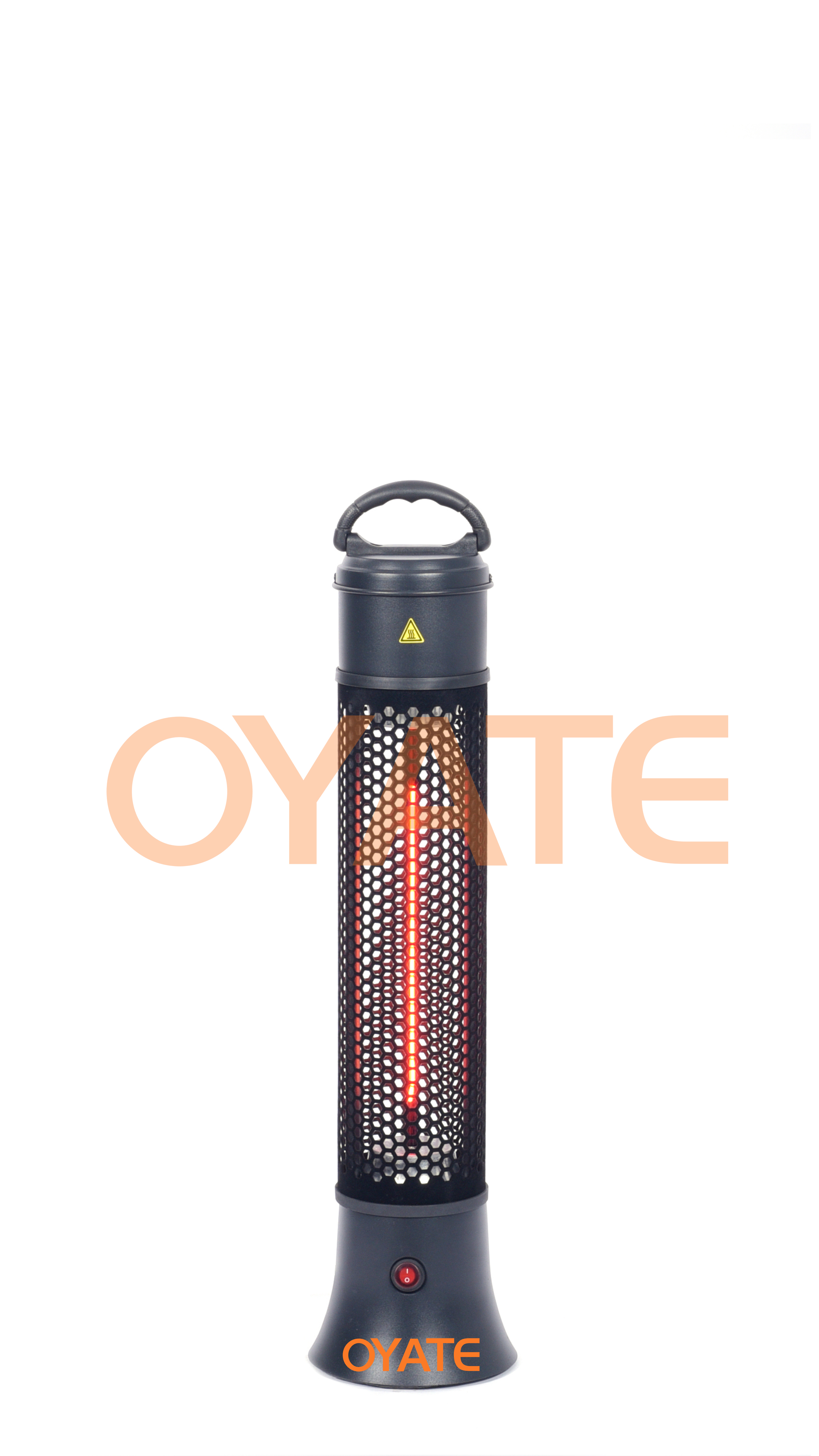
Let’s be honest: those old-school bathroom heat lamps are kind of a gamble. They’re basically just basic bulbs with very little protection against the one thing bathrooms have in spades—steam. If you’ve ever had one of those units just… die… it’s usually because moisture crept into the housing or the terminals rusted out. It happens. But we’re seeing more people move toward high-standard waterproof infrared heaters because they actually make sense for a room full of steam. The deal with the “IP Rating” If you look at a cheap heater, the seals are usually the first thing to go. Water leaks in, hits the live wires, and pop—you’ve got a short circuit. High-grade infrared units handle this differently. They use heavy-duty gaskets and sealed housings (that’s what the “IP rating” is all about) to keep the water out. When you wire these in, you aren’t just installing a heater; you’re putting a barrier between the electricity and the humidity. It stops that annoying “burn out” cycle we’ve all dealt with. Warm air vs. Warm skin Here is the real difference: traditional warmers try to heat the air. But in a bathroom, air moves. The second you step out of the shower, that warmth vanishes into the draft. Infrared is different. It doesn’t bother with the air; it sends out waves that hit your skin and the surfaces around you directly. You feel it instantly. It’s that “sun on your back” kind of warmth. A quick heads-up on the installation Now, these things pack a punch. Because they’re so compact and powerful, they get hot—really hot. You just have to be smart about where you put them. If you mount one too close to a plastic fixture or a flimsy wall, you might actually warp the material. Just make sure whatever you’re mounting it to can handle the heat load. We build these to survive the damp. By beefing up the waterproofing, we’ve basically moved the “fail point” away from the scary electrical stuff and just left the natural lifespan of the heating element. It’s just a more reliable way to stay warm.