
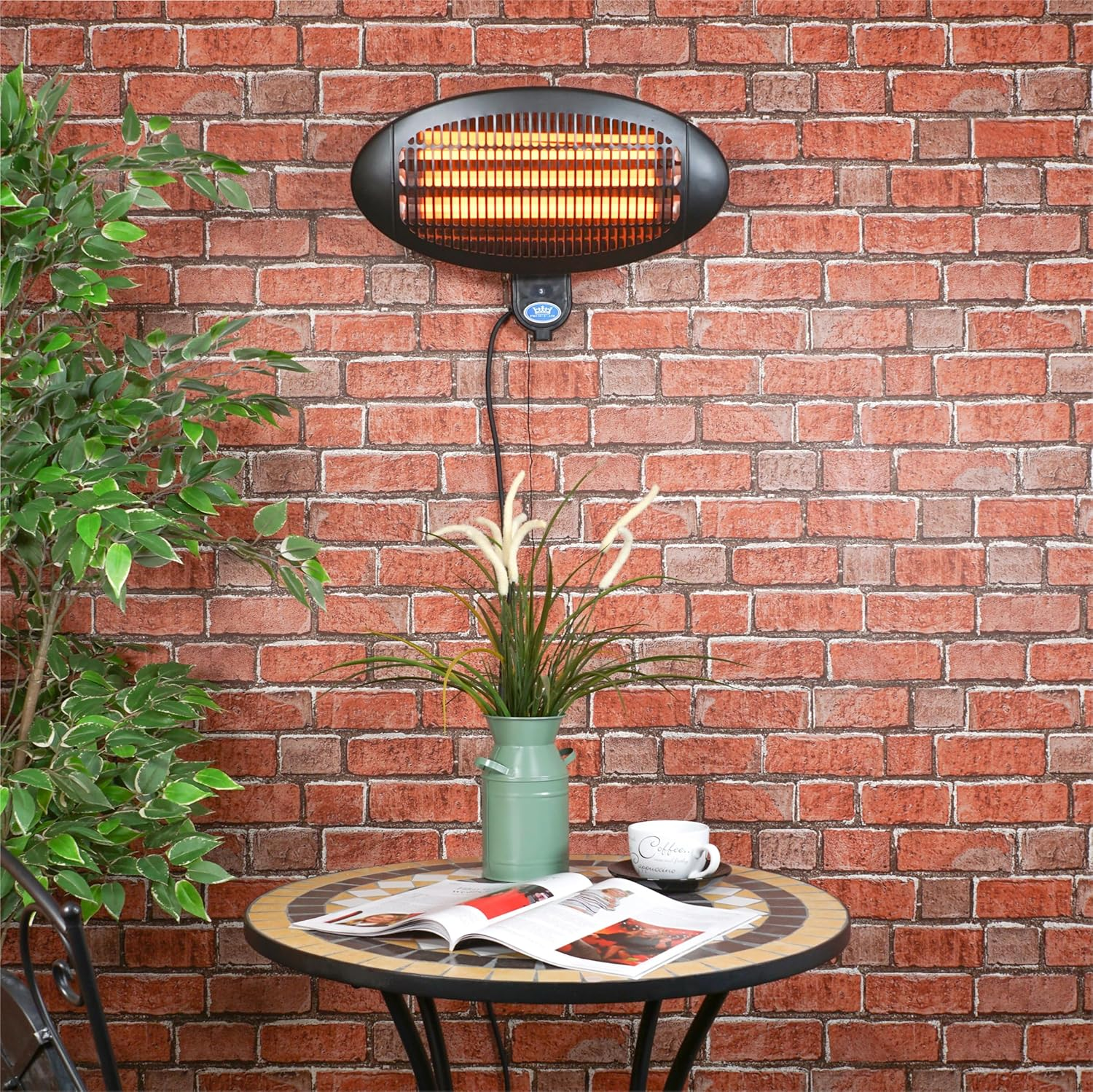
Making Your Outdoor Heaters Actually Smart
Let’s be honest: outdoor heating is usually a pain. You’re balancing a ton of power with the constant worry that a rainstorm is going to fry your electronics. That’s why we stick with IP66-rated gear. It basically means the units can take a beating from dust and heavy rain without blowing a fuse or shorting out. But the real magic happens when you stop flipping manual switches and let your home handle the temperature for you.
Heat That Hits You Instantly
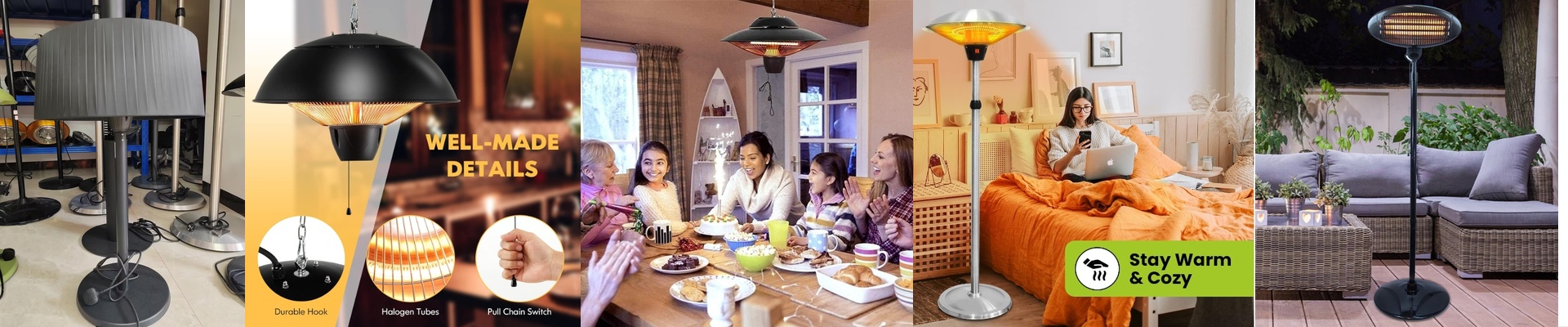
Most heaters try to warm up the air around you. On a breezy patio, that’s a losing battle—the wind just carries the heat away. Infrared is different. It sends energy straight to you and your guests, kind of like the sun. We use short-wave elements because they’re fast. Like,really fast. The second the power clicks on, you feel that “instant spring” warmth. No waiting around for a coil to glow while you’re shivering in a coat.
Getting it All Connected
If you want to turn your heat on with one tap on your phone, you’ll need a smart gateway—usually via Zigbee or Wi-Fi. Since these heaters pull a lot of juice, we don’t just plug them into a cheap smart plug. We use heavy-duty relays or TRIAC dimmers to handle the load safely. And here’s the best part: you can set it and forget it. Toss a temperature probe on your deck, and you can tell the system to kick the heat on the moment it dips below 15°C. You don’t even have to think about it.
A Few Things to Watch Out For
It’s not all plug-and-play. Because these units pull so much current, you can’t cheap out on the wiring. If you’re putting up several units across a big yard and use wires that are too thin, you’ll run into “voltage drop.” That’s just a fancy way of saying your wires will get hot and your heaters will feel weak. Also, make sure your smart switch is built for an “inductive load.” If it’s not, the internal contacts can actually weld themselves shut over time. Not exactly the kind of surprise you want when you’re trying to turn the heat off in July.