Why most bathroom heaters die (and how we fixed ours)
Let’s be honest: bathrooms are a nightmare for electronics. Between the thick steam, the random splashes of water, and the way the temperature swings from freezing to sauna in five minutes, it’s a recipe for disaster. Most infrared heaters just aren’t built for it, which is why so many of them burn out way too soon. We wanted to build something that actually lasts.
The battle against steam
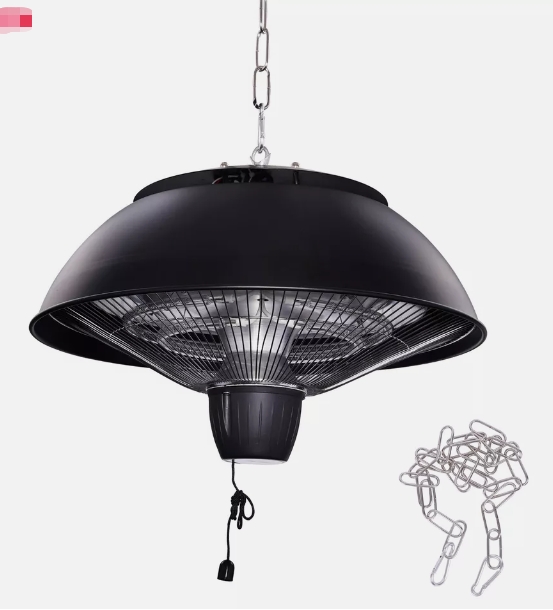
Steam is the real killer here. When water vapor hits a scorching hot quartz tube, it creates these tiny cold spots. That’s called thermal shock, and it’s exactly how glass cracks. To stop that from happening, we added anti-fog coatings and seals that push moisture away from the heating filament. It keeps the tube clear and the guts of the machine dry. No short circuits, no cracked glass. Just heat.
Keeping the water out
Usually, water finds its way into the terminals first. Once that happens, you’re in trouble. We used reinforced gaskets and sealed cable entries to keep the wet stuff out. But we went a step further—we completely isolated the high-voltage connections from the part of the heater you actually touch. Why? Because if those terminals rust, your heat becomes erratic and the voltage drops. By keeping the electrical path clean and dry, the heater just works. Every time.
The balancing act
Here is the tricky part: if you seal a heater too tight, it can’t breathe. It’ll basically cook itself from the inside out. So, we designed specific venting paths. They’re smart enough to let the internal wiring cool down without letting a stray splash of water get inside. If you look closely, the housing isn’t totally airtight—it needs that little bit of airflow to stay healthy. We built these things to take a beating in the most humid rooms in your house. Since the hardware isn’t constantly fighting off moisture, it simply lives longer. Just do us a favor—make sure your bathroom fan is actually working. It helps the heater (and your walls) a lot.