Getting Your Sidel Matrix Heat Exactly Right
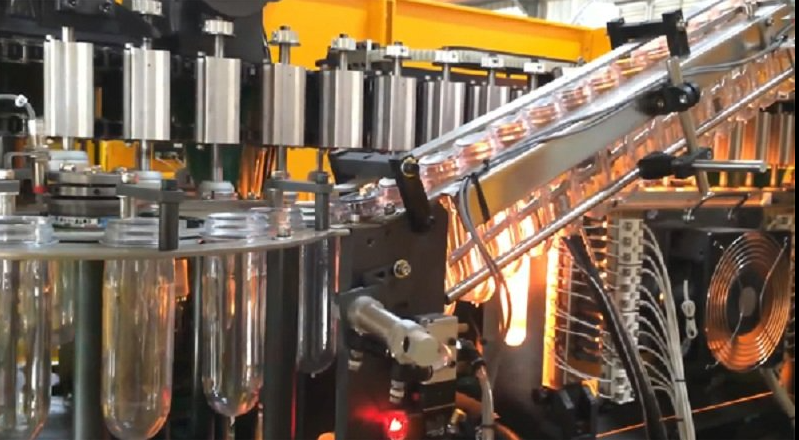
Here is the problem when you swap out the original infrared lamps in a Sidel Matrix blower: the temperature curve usually shifts. It sounds like a small detail, but it’s a nightmare in practice. If the heat density is off, your PET preforms end up under-heated, leaving you with uneven walls. Or, they overheat, and suddenly you’re dealing with that cloudy pearlescence and structural failures. Neither is a good look.
The secret to a perfect match
We don’t just look at the length of the tube and call it a day. That’s how you get into trouble. To keep your heat curve exactly where it should be, we sync up the voltage, wattage, and filament diameter. Even a tiny slip in the ohms—we’re talking a few percent—can mess with the infrared emission spectrum. We build our lamps to mirror the electrical footprint of the Sidel originals. Why? Because it means your power supply isn’t fighting the load. The heat stays steady across the whole oven zone. Simple.
The build quality
We use high-purity quartz glass because these things take a beating with constant rapid cycling. We also make sure the filament is centered perfectly. If it’s off, you get “hot spots” that burn the lamp out way too early. And since we use standard industrial connectors, the lamps just drop right into your existing sockets. No rewiring. No headaches.
A quick reality check
Now, high-wattage shortwave lamps are great for the fast ramp-up times you need for high-speed blowing. You get the heat density you’re after. But here is the catch: this puts a lot of pressure on your reflection shields. If your reflectors are pitted or oxidized, even a perfectly matched lamp won’t hit the target temperature. **Keep those reflectors clean.**If you don’t, you’re wasting the efficiency of the new tubes. Our lamps are a direct drop-in. We handle the specs on our end so you don’t have to spend your entire afternoon recalibrating heating profiles.