
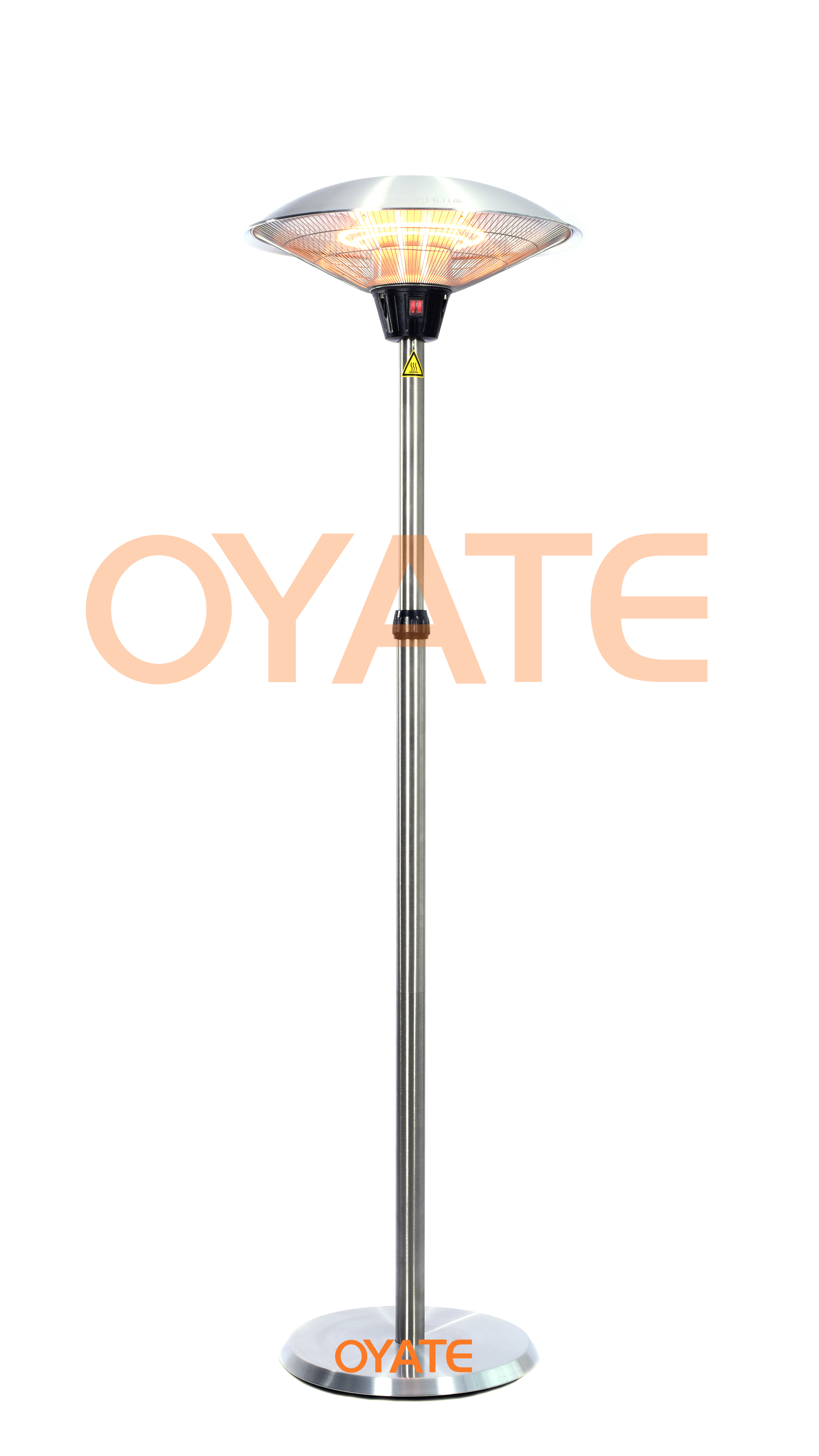
Building Outdoor Heaters That Actually Last
If you’ve ever put a heater outside, you know the two things that want to kill it: water and sudden temperature swings. It’s a brutal combo. That’s why we build our patio units with heavy-duty seals. We’re talking about splash-proof gaskets that keep rain and mist far away from the electrical guts where they don’t belong.
Why water is a nightmare
Here is the thing about water droplets on a heating element. When they hit that intense heat, the material expands unevenly. That’s how you get quartz tubes that crack or just burn out way too early. We solve this with a sealed chassis. By blocking those entry points, we stop the short circuits and that nasty corrosion that usually eats away at the contact points. It just keeps the electricity flowing where it should.
Dealing with the fog
Ever notice how your mirror fogs up in the shower? Same thing happens here. When cold, damp air hits a warming heater, you get condensation. We designed a venting system that lets the unit “breathe” without letting the rain in. This keeps the reflectors crystal clear. And trust me, a clear reflector isn’t just for looks. It’s what pushes the heat down toward you instead of letting the housing soak it all up. If it fogs over, you’re just wasting energy.
The trade-off
Now, there’s a catch. Those tight seals are great for protection, but they trap heat inside the box. Because of that, you can’t just jam the heater against a wall. Give it some space. If it’s too crowded, the internal parts run way too hot, and over time, that’ll fry your wiring insulation. Just give it some room to breathe.
Less work for you
The best part? A waterproof design means you aren’t spending your weekends scrubbing corrosion off terminals. You just plug it in and forget about it. Whether you’re dealing with salty air at the coast or a damp open-air deck, the lamps and power supplies just hold up longer. It’s a lot more relaxing when you don’t have to worry if the weather is going to break your gear.