Fixing the “Cold Tray” Problem in Multi-Layer Ovens
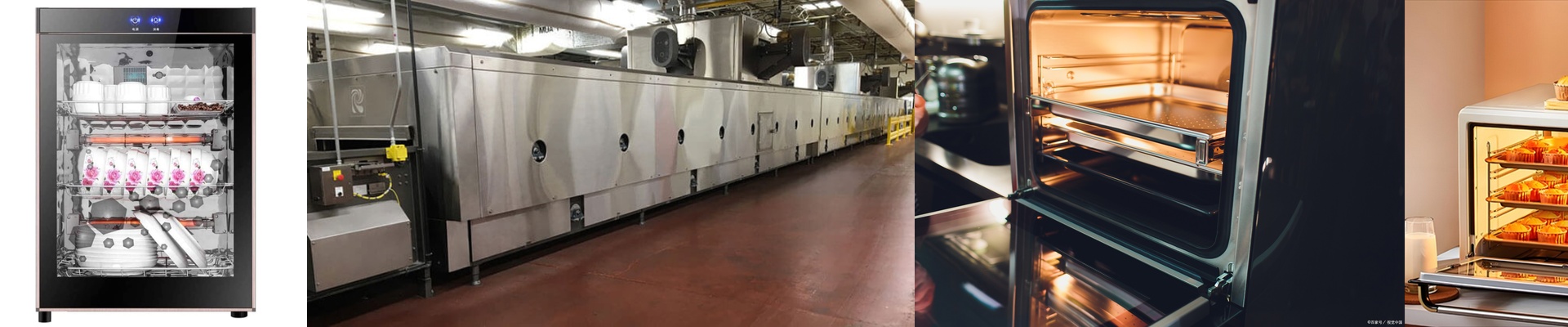
If you’ve ever used a multi-layer oven, you know the struggle. Heat rises. Air swirls. And somehow, the top tray is burnt to a crisp while the middle one is barely warm. It’s frustrating, and it makes consistency a nightmare. We decided to stop fighting the air and start using something better: high-power infrared heating tubes. Instead of hoping the fan pushes heat to the right spot, we treat every single layer like its own private oven.
How it actually works
Most ovens rely on convection—basically just blowing hot air around. But infrared (IR) is different. It’s radiant energy. By putting dedicated IR tubes on every shelf, you aren’t waiting for the air to move. You’re hitting the product directly with heat. We build these for high heat density, so the surface temperature jumps up fast. You don’t have to wait for the whole oven cavity to soak in the heat before things start cooking. Plus, we wire these into separate PID controllers. So, if tray three is lagging behind, you just crank the power to that specific tube. You fix the problem on that one shelf without accidentally overheating everything else.
The gear and the trade-offs
We use tungsten filaments inside quartz-glass envelopes. Why? Because industrial baking and curing are brutal, and these tubes can take the heat without snapping. Depending on how much space you have and what your voltage looks like, we can tweak the wattage to fit. But here’s a heads-up: watch your power density. High-wattage tubes are great because they’re fast, but they put a lot of stress on your electrical contacts. If you’re pushing over 2000W per tube, make sure your relays can actually handle the load. Otherwise, you’re looking at a burnout sooner than you’d like.
Getting it installed
The best part is that these are basically drop-in replacements. We use standard connectors, so you can swap out your old heating arrays without a massive headache. Once they’re wired up, the response is almost instant. You get a much tighter temperature window across the whole stack. Just one tip: remember that IR is directional. It shoots heat in a straight line. You’ll want to position the tubes carefully so you don’t end up with “cold spots” right in the middle of your tray.