Speeding up your oven line with 110V Halogen Heat
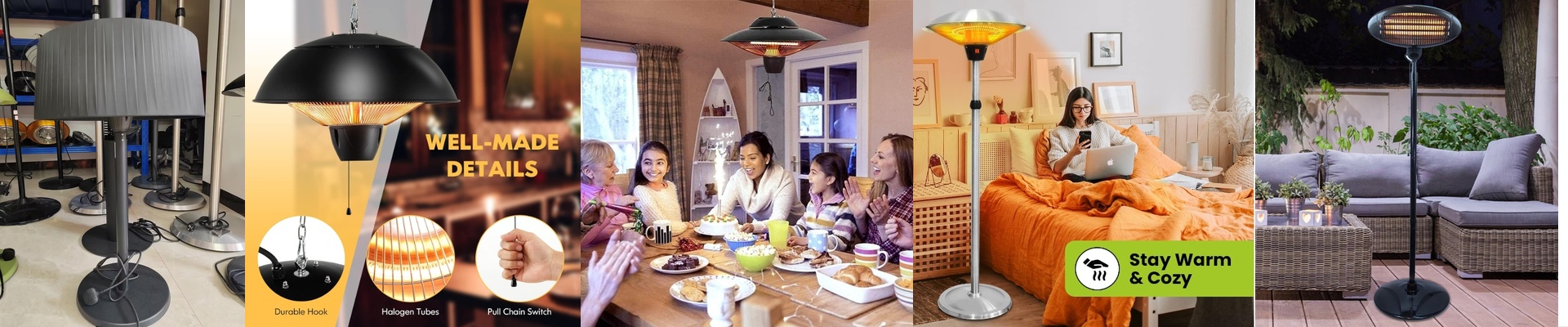
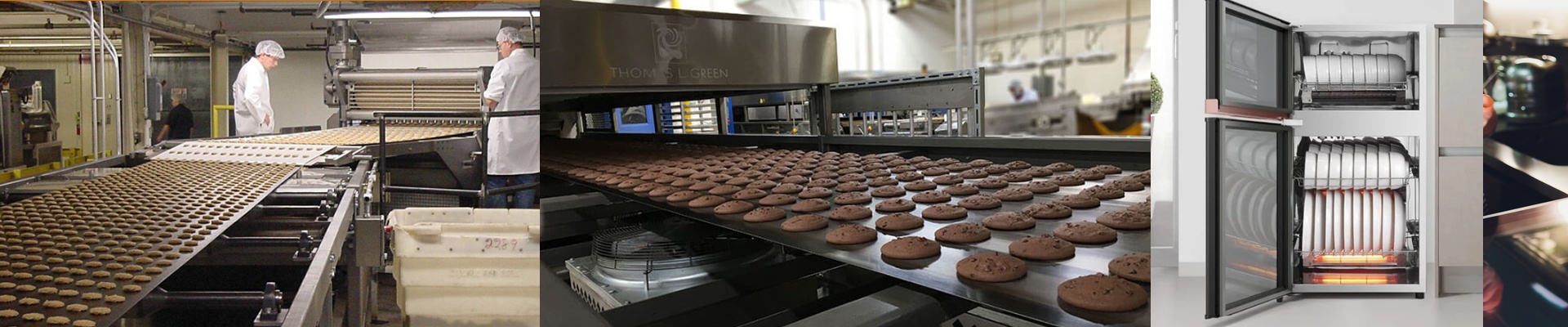
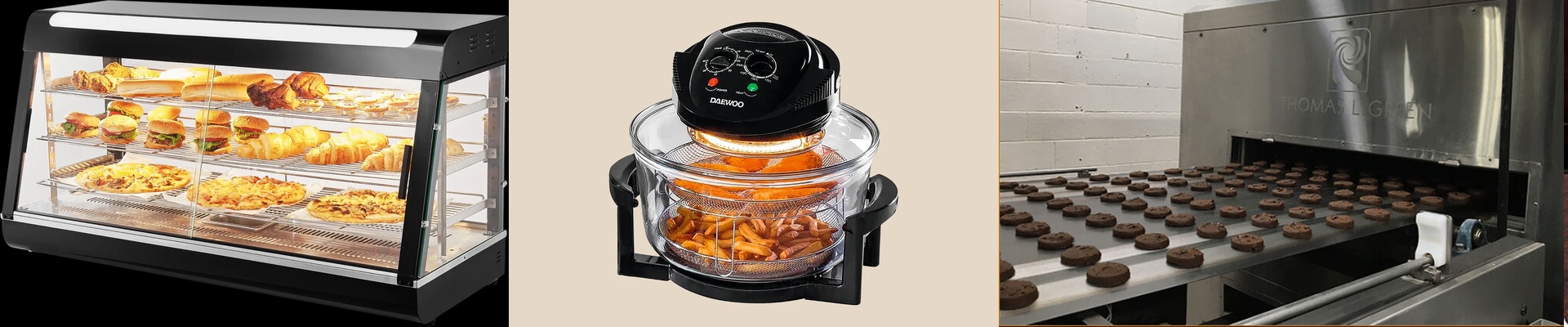
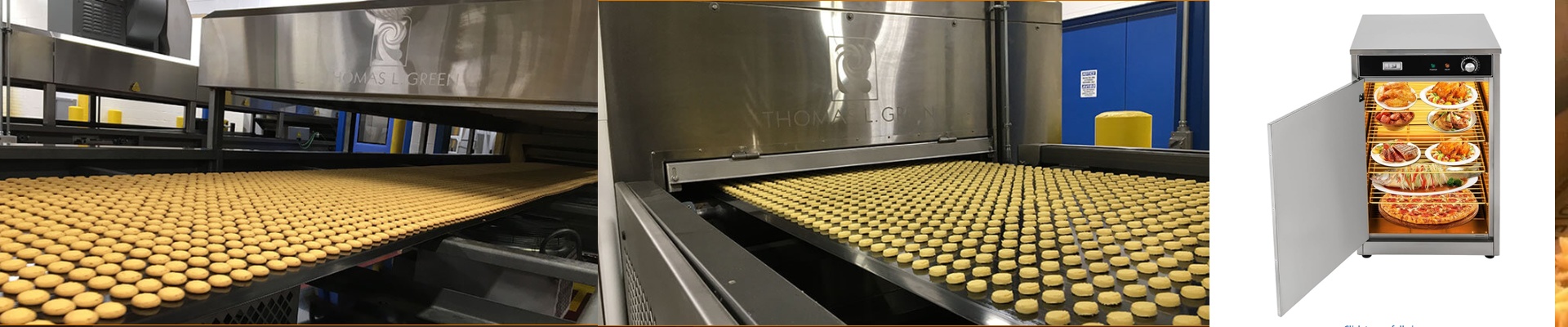
Ever feel like your kitchen line is just… stuck? Usually, the bottleneck is the heat. Standard heating elements are slow. They take forever to get up to temp, and the second someone opens a door, all that heat vanishes. You’re left waiting around for the oven to catch up. That’s why we use 110V shortwave halogen lamps. Instead of wasting time heating up the air, these lamps shoot infrared energy straight into the food. It’s a different kind of heat. It’s direct. Why 110V? We stick with 110V because it plays nice with standard commercial power. You don’t have to cram those clunky, heavy transformers into your cabinets. And the halogen part? That’s the secret sauce. It lets the filament run hotter without burning itself out. The result is heat that hits almost instantly. We’re talking milliseconds, not minutes. When your heat responds that fast, your whole production rhythm changes. You move more product, faster. The Gear These lamps use quartz glass to handle the intense heat. We also use R7s snap-in connectors. Why? Because when a bulb eventually pops, you don’t want to spend an hour rewiring the whole chassis. You just snap a new one in and get back to work. Since the units are small, you can mount them closer to your product. That means more heat, right where you need it. A few things to watch out for Now, this kind of power comes with a trade-off. Because the heat is so concentrated, it’s easy to scorch the surface of your food if your conveyor belt is moving too slowly. You’ve got to get your PID controllers dialed in perfectly to handle that sudden spike in temperature. Also, keep an eye on your cooling fans. If the housing gets too hot, it’ll fry your wiring. Do yourself a favor and use high-temp silicone leads. It’s a small detail, but it beats dealing with melted insulation and a dead machine.