Stop Burning the Outside While the Inside Stays Raw
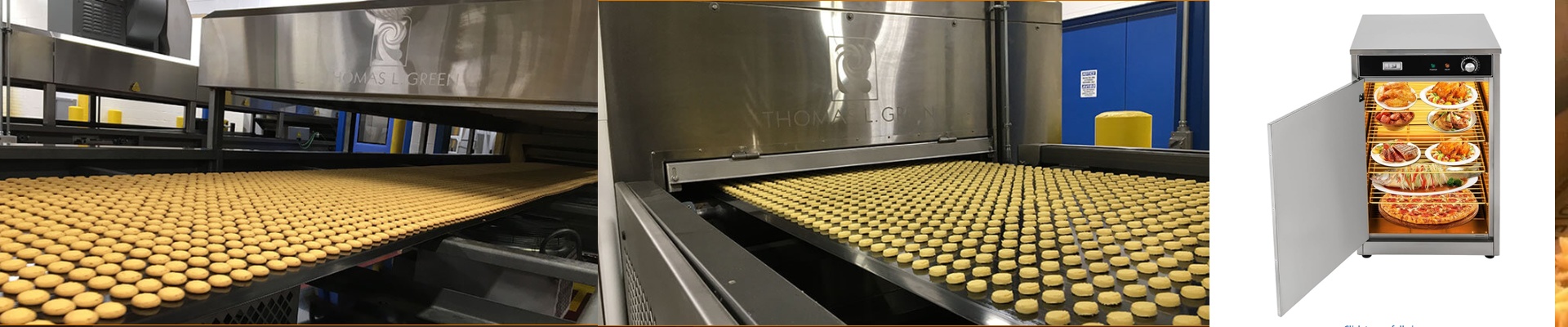
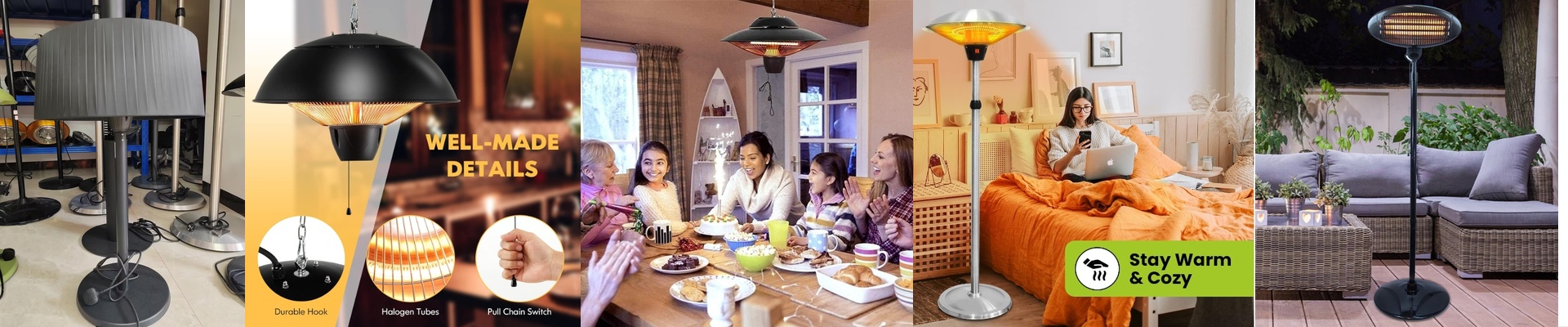
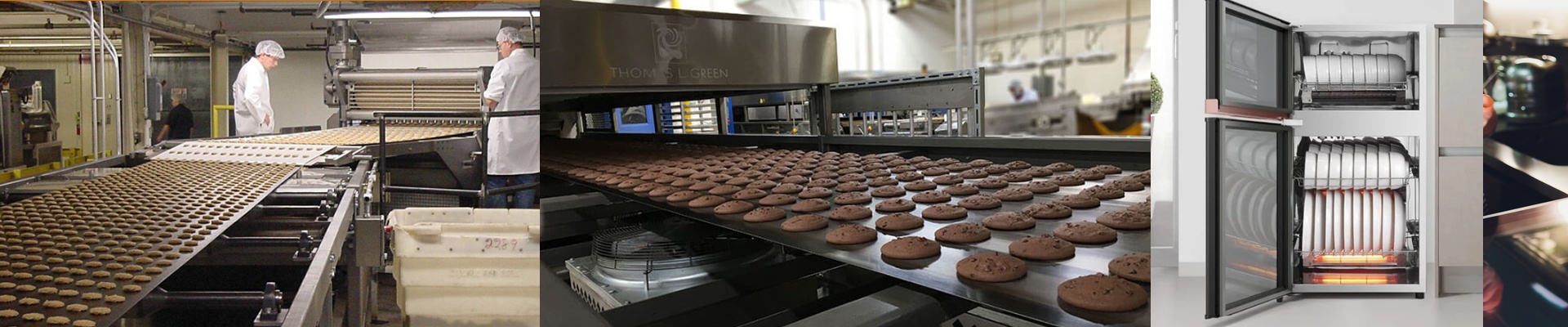
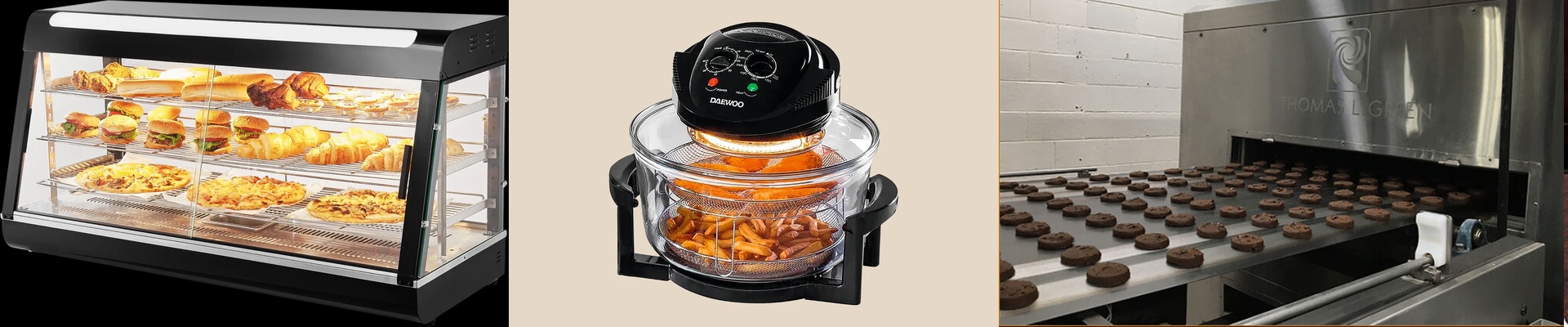
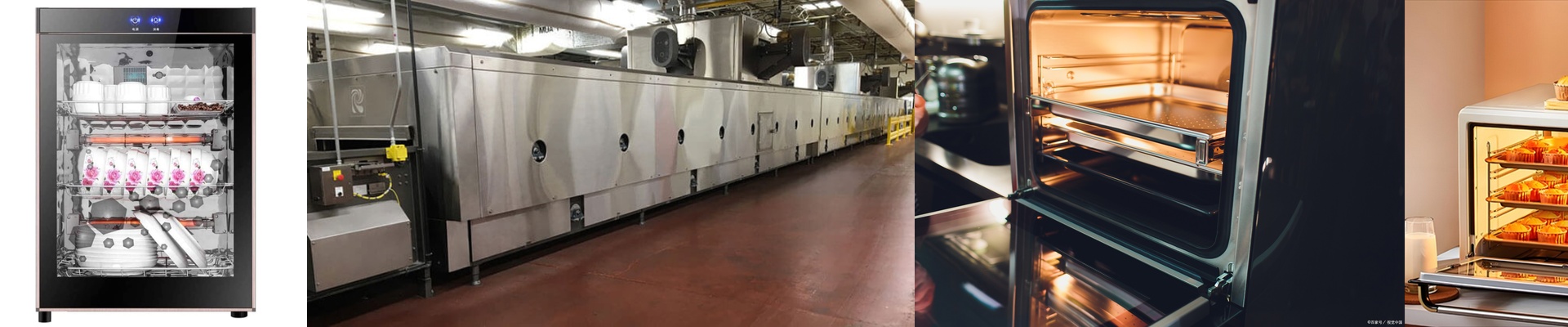
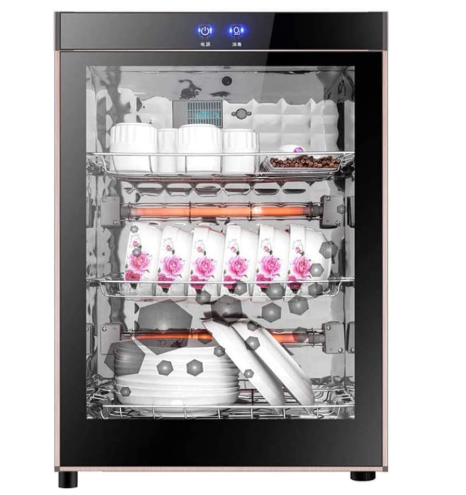
We’ve all been there. You’re cooking a thick cut of meat and you end up with a charred, blackened crust, but the center is still cold. It’s frustrating. The problem is that most ovens just blow hot air around. That air hits the surface and stays there, cooking the outside way too fast. We do things differently. We use quartz tube infrared emitters. Instead of just heating the air, these tubes send radiant energy straight into the meat. It actually gets deep into the protein, rather than just dancing around the surface. How it actually works To get that perfect, even cook, you need a specific mix of shortwave and medium-wave IR. Our quartz tubes are designed to push energy past that initial surface resistance. But the real secret is pairing those tubes with high-precision PID controllers. This is where the magic happens. You can keep the surface temperature right on the edge—just below the point where it burns—while the core temperature keeps climbing. No more “over-sear.” Just a perfect cook from edge to edge. Why quartz? We use high-purity quartz because it’s tough. It can handle being turned on and off rapidly without cracking from the thermal shock. Plus, the quartz shell lets the filament get incredibly hot without wearing out. This gives you a massive amount of heat in a small space. You get more BTUs per square inch, which means you aren’t standing around waiting for the oven to pre-heat. It’s fast. Really fast. One heads-up, though: these things run hot. If you’re squeezing them into a tight baking chamber or a tableware dryer, you’ve got to get your ventilation right. If the air isn’t moving, you’re looking at warped frames or tripped safety switches. Setting it up If you’re wiring this into your own system, you need clean, stable voltage. A little flicker in your power supply can cause temperature swings, and that’s how you ruin a great piece of meat. I always recommend using solid-state relays (SSRs) for the switching. They allow for rapid pulsing, which is the only way to keep that temperature window tight. It’s a simple swap for those old-school heating elements that just can’t get the heat into a thick steak quickly enough.