


Getting Your Heat Right in Husky HyPET Systems
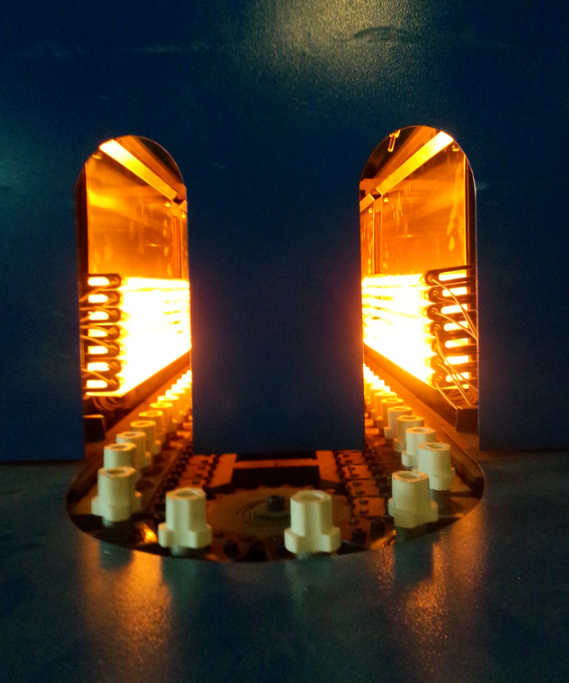
If you’ve spent any time around a high-speed PET line, you know the frustration of a bad thermal profile. You pull a bottle off the line and there it is: a thin spot here, or that annoying pearlescence there. It usually happens because the heat didn’t actually make it through the wall of the preform. It just sat on the surface. That’s exactly why we built our infrared lamps the way we did. We wanted to fix that penetration gap specifically for Husky HyPET setups. The secret is in the physics You can’t just blast a preform with surface radiation and hope for the best. It doesn’t work. We use a specific mix of quartz and halogen fills to shift how the light actually behaves. Instead of the heat bouncing off the plastic, these waves actually sink into the polymer chain. We also push for high wattage density. By running these at higher voltages, the filament gets hot enough to pump out short-wave IR. When you’re running at the speeds Husky machines demand, short-wave is the only way to hit the core of a thick-walled preform before it moves to the next stage. Built to actually fit There’s nothing worse than a “universal” part that doesn’t actually fit. These are drop-in replacements. Whether you’re using R7s or SK15 connectors, they just slide in. We also toughened up the quartz glass. Production lines are brutal, and the constant heating and cooling of a 24/7 shift will snap a cheap lamp in no time. And we’re obsessive about the measurements. If a tube is off by even a single millimeter, it won’t sit right in the reflector. That creates a hot spot, and a hot spot means a burnt preform. Simple as that. One thing to keep in mind Here’s the catch: when you push more wattage into a smaller space, things get hot. Really hot. This puts a lot more pressure on your oven’s cooling blowers. You’ve got to make sure your airflow is dialed in perfectly. If your cooling system can’t keep up, the ambient temperature in the oven will start to creep up. Before you know it, your preforms are deforming before they even hit the blow mold.