

Stop the Burn-Outs: A Better Lamp for Your Sidel SBO 20 Series 1
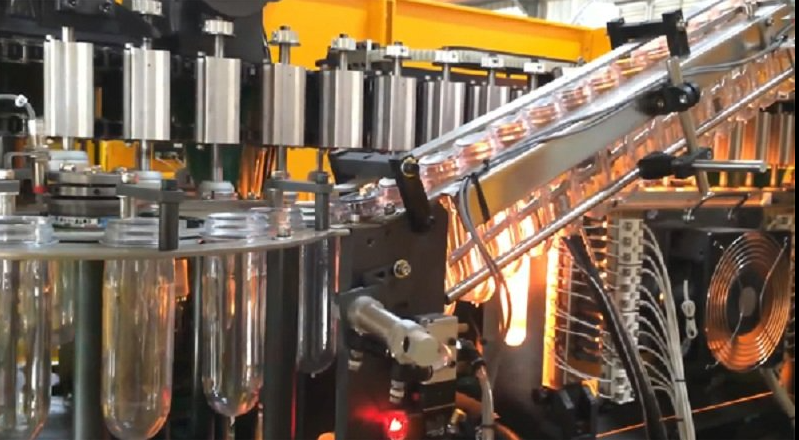
There is nothing more frustrating than a production line grinding to a halt because another tube just blew. If you’re running SIG Blomax or Sidel SBO lines and you feel like you’re replacing lamps every other week, you’ve probably checked the voltage. You’ve probably wondered if something is wrong with the power. But here is the thing: it’s usually not the electricity. It’s the heat. These lamps take a beating, and most just can’t handle the physical stress of expanding and contracting all day. That’s exactly why we built our replacement lamps for the SBO 20 Series 1. Getting the heat right You need that perfect balance. Too little heat and the PET preforms won’t soften; too much, and you’re scorching the plastic. We kept the footprint exactly the same as the OEM specs, but we used high-purity quartz glass. Why? Because it doesn’t warp when things get hot. One quick tip: if you’re cranking up the wattage to push more bottles through, your heat density spikes. Make sure your cooling blowers are actually clean. If the airflow is blocked, those lamp ends are going to overheat and pop, no matter how well the lamp is made. Built to actually last Most lamps fail at the pinch seal or where the connector hits. It’s the weak point. We reinforced the end-cap sealing to stop gas leaks and keep the filament from oxidizing. It makes the lamp tougher. It can handle the constant “hot-cold-hot” cycle of a busy floor without cracking under pressure. Plus, it’s a simple drop-in. You don’t have to mess with your wiring or tear apart your racks. Just swap the tube, calibrate your IR sensors, and you’re back in business. What this means for your day When you stop using fragile tubes, the downtime just… disappears. You get a steady, reliable heat profile across the whole oven zone, which means no more “thin spots” in your bottle walls. We spent a lot of time obsessing over the physics of the filament support so you don’t have to. Less time spent on your hands and knees swapping out dead lamps, and more time actually running your line. That’s a win for everyone.