Getting Your Sterilization Cabinets Up to Temp in Seconds
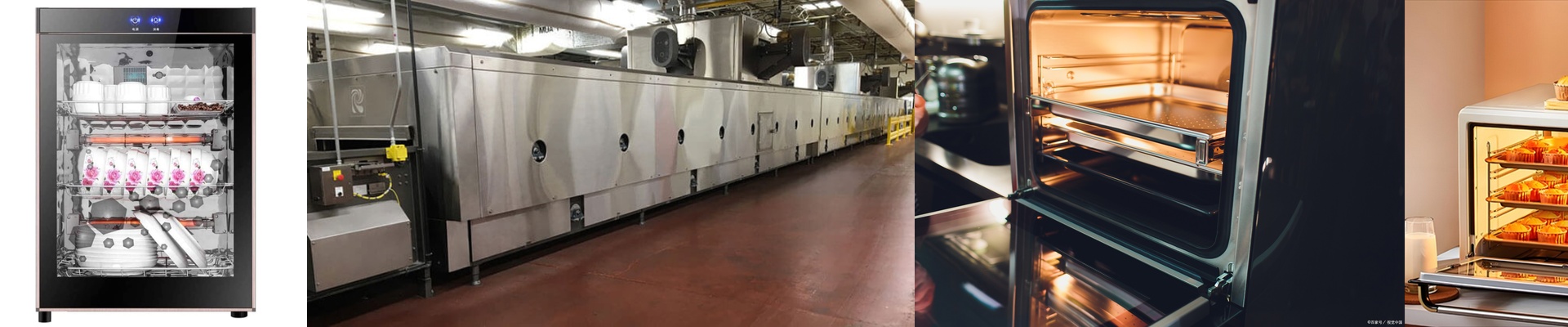
If you’re trying to hit sterilization temperatures in a matter of seconds, those standard resistive heating elements just aren’t going to get the job done. They’re too heavy. They take forever to warm up. To get that “instant-on” feel for cabinet disinfection, we go with short-wave infrared (SWIR) quartz elements. Why this actually works Think of it this way: a heavy cast-iron or stainless steel heater is like a big rock; it has to soak up a ton of heat before it even starts giving any off. Quartz is different. It uses a tungsten filament that beams energy directly onto the target—whether that’s a medical tool or a food tray—via electromagnetic radiation. It’s fast. Really fast. And that means your sterilization cycle actually starts the moment the timer hits zero, rather than waiting around for the heater to catch up. The nuts and bolts We stick with quartz glass because it can handle a massive temperature swing without cracking. For the connectors, we usually use R7s or SK15, depending on how much space you have. They’re pretty simple to wire in. One thing to watch out for: if you’re working in a place with high humidity or nasty chemical vapors, let us know. We can add a special coating to the quartz so the surface doesn’t get contaminated and burn out early. The trade-off Here’s the catch. When you pump a huge amount of wattage into a tiny quartz tube, things get hot—fast. You have to make sure your cabinet housing can take the heat. If your airflow is blocked, you’re looking at warped reflectors or melted plastic. It’s a good idea to double-check your thermal shielding before you flip the switch on high-wattage elements. The beauty of this setup is that it turns a sluggish heating process into a precision tool. You get the heat spike you need to kill the germs without wasting energy on long, annoying pre-heat cycles.